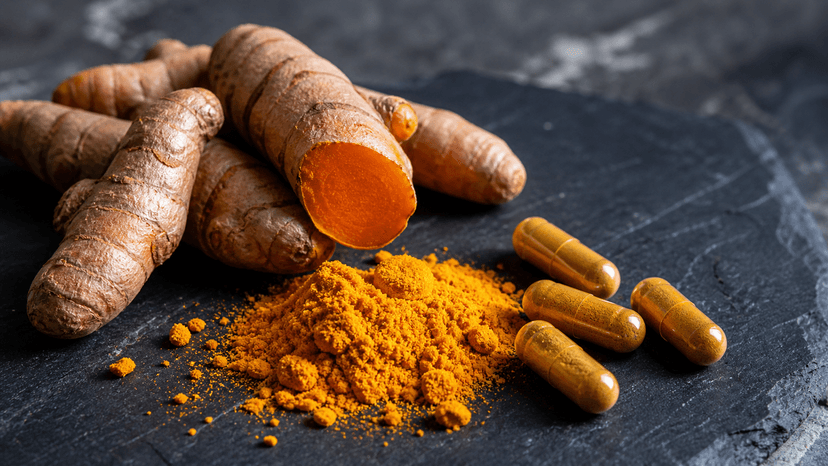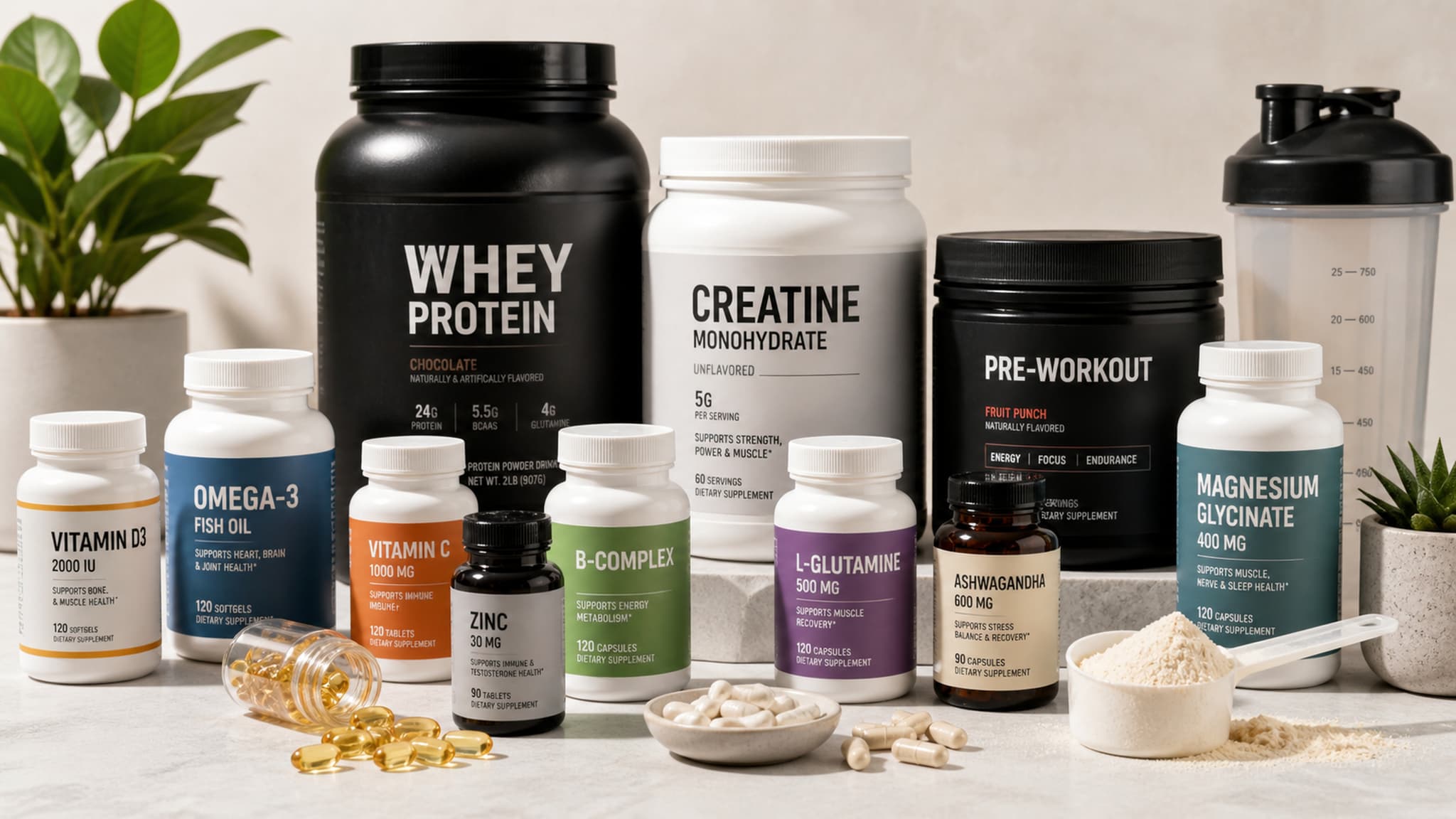
The supplement industry is worth billions of pounds globally and it has a vested interest in making you believe that you need its products to get results. Scroll through any fitness account on social media and you will be bombarded with discount codes for fat burners, testosterone boosters, greens powders, pre workouts, BCAAs, collagen peptides, and an ever growing list of capsules, powders, and potions that promise to accelerate your progress, optimise your hormones, and transform your body. The marketing is slick. The claims are compelling. And the vast majority of it is a waste of your money.
I am not anti supplement. There are a small number of supplements that are genuinely supported by robust scientific evidence and that I recommend to my clients regularly. But the ratio of useful supplements to useless ones is heavily skewed, and most people are spending 50 to 100 pounds a month on products that are doing absolutely nothing for them while neglecting the basic nutritional foundations that would actually move the needle. Everything else is noise.
Why Most People Get Supplements Completely Wrong
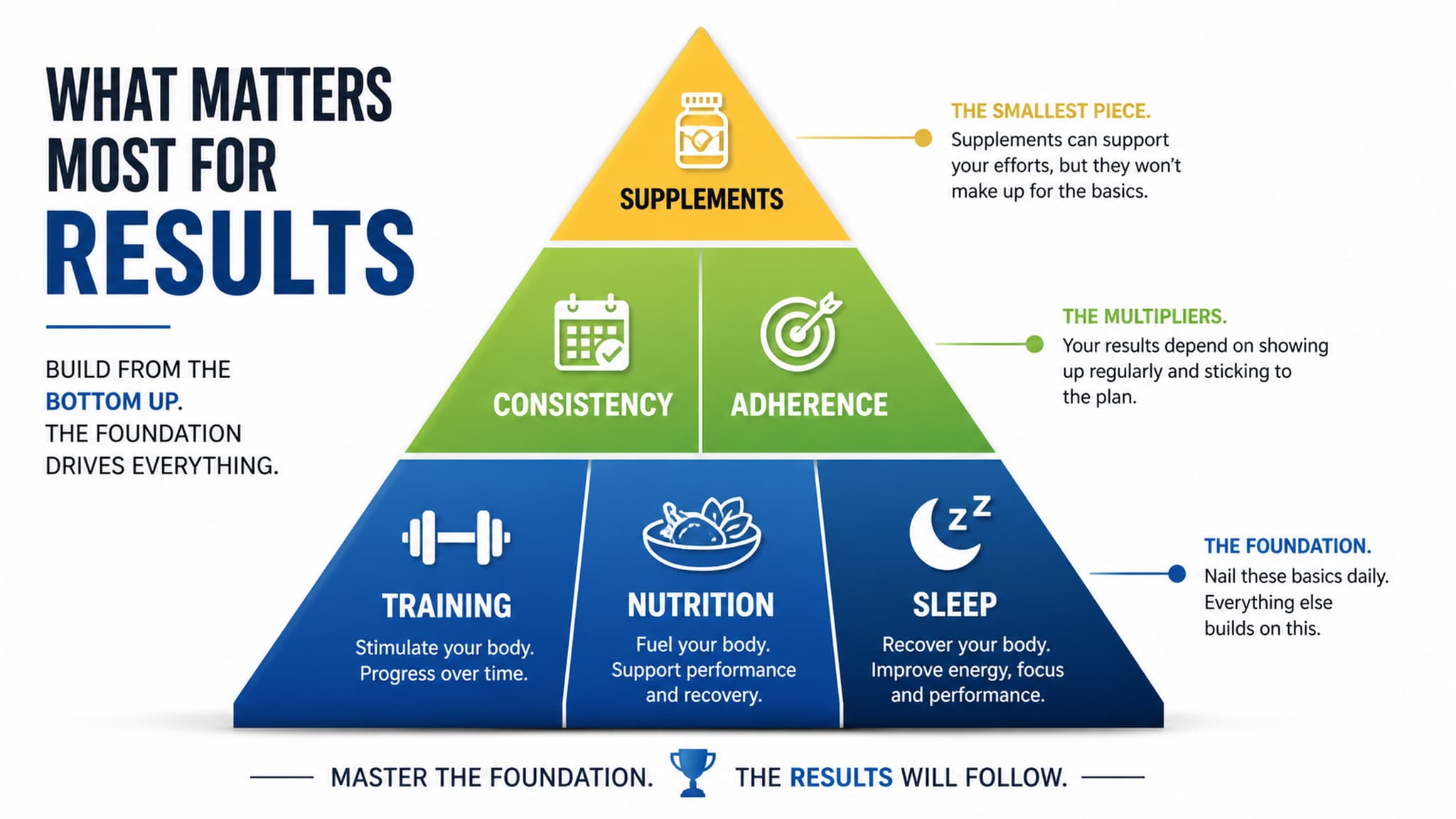
The fundamental problem with how most people approach supplements is the order of priority. They focus on the top of the pyramid before they have built the base. A fat burner will not help you if you are eating 500 calories above maintenance every day. A greens powder will not compensate for the fact that you eat two portions of vegetables a week. BCAAs are redundant if you are already hitting your protein target with whole food. Supplements are, by definition, supplementary. They sit on top of a solid foundation of training, nutrition, sleep, and stress management. Without that foundation, they are meaningless.
The financial cost adds up significantly. I have had clients come to me spending 80 to 120 pounds a month on supplements that included a fat burner, a testosterone booster, BCAAs, a pre workout, a greens powder, and a multivitamin. When I audited what they were actually taking, the only product with meaningful evidence behind it was the multivitamin, and even that was questionable given that they could have obtained the same micronutrients from a marginally better diet. That is over a thousand pounds a year spent on products with little to no evidence of efficacy. That money would have been far better spent on higher quality food, a gym membership, or professional coaching.
There is also a psychological cost. When people invest heavily in supplements, they often develop a false sense of security. They feel like they are doing something productive for their health and fitness, which can mask the fact that their actual nutrition and training are not where they need to be. Research published in the Journal of the American College of Nutrition found that supplement users were no more likely to meet recommended nutrient intakes from food than non users, suggesting that supplementation often substitutes for rather than supplements a good diet (1). The pill becomes a permission slip to be lazy with the fundamentals. That is the opposite of what supplements should do.
The Supplements That Are Actually Worth Your Money
What follows is my honest assessment of every supplement category that clients commonly ask me about. I have divided them into two groups: the ones I recommend and the ones I do not. My recommendations are based solely on peer-reviewed evidence and practical coaching experience. I have no affiliate deals, no discount codes, and no financial incentive to recommend any product. This is just what the evidence says.
Protein Powder: Worth It
Protein powder is not a magic supplement. It is a convenient food product. Its sole purpose is to help you hit your daily protein target when whole food alone falls short. For clients who struggle to consistently eat enough protein through meals, a scoop of protein powder in a smoothie, mixed into oats, or taken as a shake post training can make the difference between hitting their target and falling 20 to 30 grams short every day. Over time, that gap matters.
For omnivore and vegetarian clients, whey protein remains the gold standard. It has the most extensive evidence base, the highest bioavailability, and the strongest amino acid profile of any protein supplement. A position stand from the International Society of Sports Nutrition confirmed that whey protein is effective for supporting muscle protein synthesis and improving body composition when combined with resistance training (2). For vegan clients, soy protein isolate is the closest plant based equivalent, followed by pea protein and rice protein blends. I typically recommend a product with at least 20 grams of protein per serving and minimal added sugar.
Creatine Monohydrate: Worth It
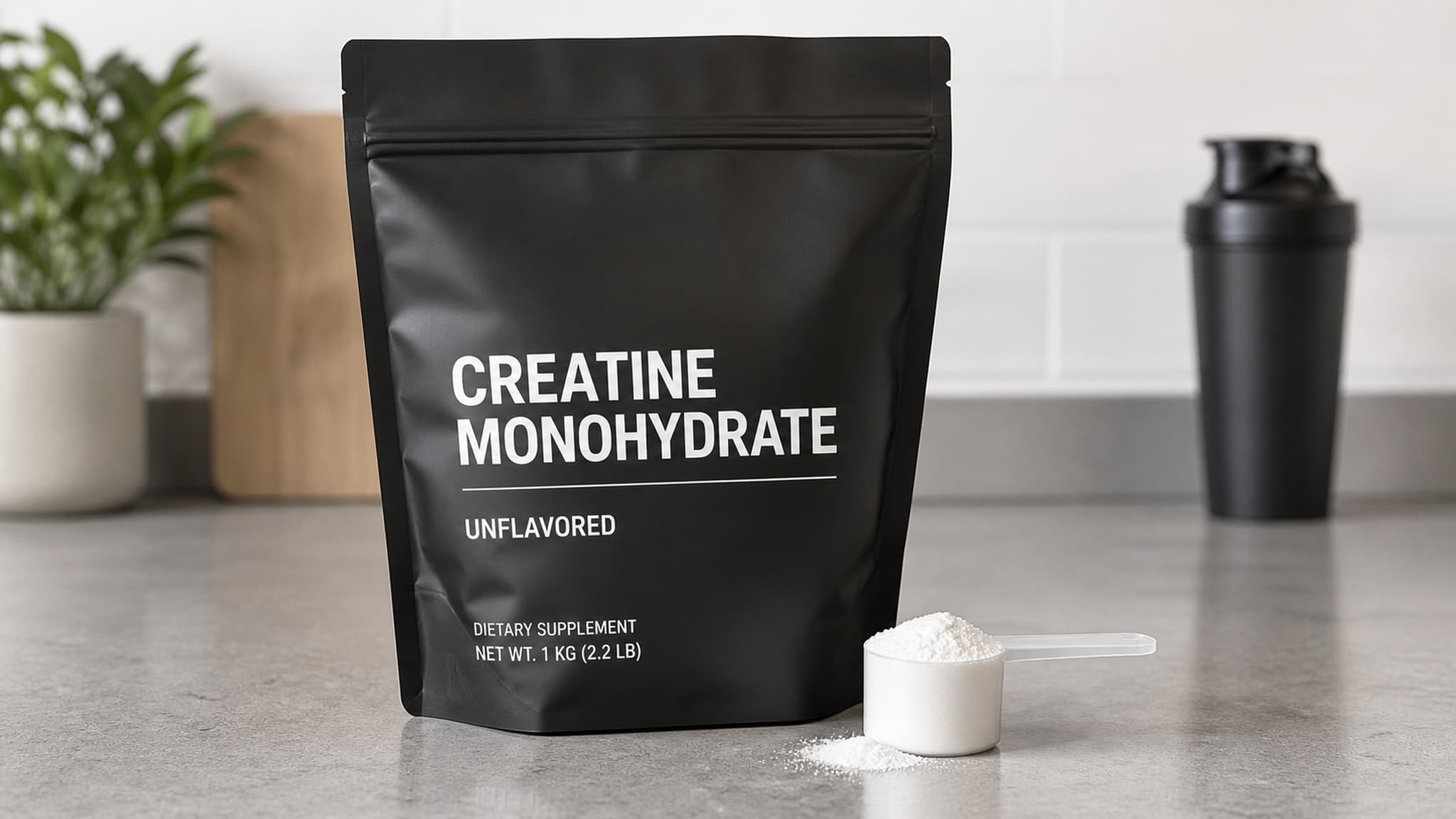
Creatine is the single most researched and most consistently effective sports supplement in existence. It is not a steroid. It is not dangerous. It is a naturally occurring compound found in meat and fish that your body also produces in small amounts. Supplementing with creatine monohydrate at a dose of 3 to 5 grams per day saturates your muscle creatine stores, which enhances your ability to perform short duration, high intensity efforts. In practical terms, it helps you squeeze out one or two extra reps, lift slightly heavier, and recover faster between sets. Over weeks and months, that additional training stimulus translates into more muscle and more strength.
A meta analysis published in the Journal of the International Society of Sports Nutrition concluded that creatine supplementation combined with resistance training significantly increased lean body mass and strength compared to resistance training alone (3). The effect is modest but real and consistent across hundreds of studies. Creatine is also one of the cheapest supplements available. A six month supply of creatine monohydrate costs less than a single tub of most branded pre workouts. For vegetarian and vegan clients, creatine supplementation may be even more beneficial, as plant based diets provide virtually no dietary creatine and baseline muscle creatine stores tend to be lower (4).
Vitamin D: Worth It
Vitamin D deficiency is widespread in the UK due to limited sunlight exposure for much of the year. Public Health England recommends that all adults consider a daily vitamin D supplement during the autumn and winter months, and many people would benefit from year round supplementation depending on their skin tone, lifestyle, and sun exposure habits. Vitamin D plays a critical role in bone health, immune function, mood regulation, and there is emerging evidence linking adequate vitamin D status to improved muscle function and reduced injury risk in active individuals (5).
I recommend a daily vitamin D3 supplement of 1000 to 2000 IU for most of my clients, particularly those who work indoors, train in a gym rather than outdoors, or have darker skin tones which reduce vitamin D synthesis from sunlight. For vegan clients, vitamin D3 derived from lichen is available as an alternative to the standard lanolin sourced version. This is one of the few supplements where the case for universal use is strong regardless of diet quality, simply because of the UK climate.
Omega 3 Fatty Acids: Worth It for Some
For clients who eat oily fish at least twice a week, an omega 3 supplement is generally unnecessary. For everyone else, it is worth considering. The long chain omega 3 fatty acids EPA and DHA support cardiovascular health, reduce inflammation, and may benefit joint health and brain function. A meta analysis published in the Journal of the American Heart Association found that omega 3 supplementation was associated with reduced risk of cardiovascular events, particularly in individuals with low baseline fish intake (6).
For omnivore clients who do not eat fish regularly, a standard fish oil capsule providing at least 500 milligrams of combined EPA and DHA daily is a sensible addition. For vegetarian and vegan clients, an algae derived omega 3 supplement is the recommended alternative, as it provides EPA and DHA directly without the need for conversion from plant based ALA, which is an inefficient process (7). This is one of the supplements I recommend most consistently to my plant based clients.
Caffeine: Worth It if Used Intelligently
Caffeine is a genuine performance enhancer. It reduces perceived effort during training, delays fatigue, and can increase power output and endurance. A review published in the British Journal of Sports Medicine concluded that caffeine supplementation produced small but significant improvements in strength, power, and endurance performance across a wide range of exercise modalities (8). The effective dose is approximately 3 to 6 milligrams per kilogram of bodyweight, consumed 30 to 60 minutes before training. For a 75 kilogram person, that is 225 to 450 milligrams, which is roughly equivalent to two to four cups of coffee.
The caveat is tolerance and timing. If you drink coffee all day, the performance benefit is diminished because your body has adapted to the stimulant. And if you train in the evening, caffeine too close to bedtime will impair sleep quality, which undermines recovery and body composition far more than any performance benefit caffeine provides. I recommend caffeine as a pre training tool for morning or early afternoon trainers who use it strategically rather than habitually. A strong coffee before training is all you need. Expensive pre workout formulas are largely caffeine with added marketing.
The Supplements That Are a Waste of Your Money
Fat Burners
Fat burners are the single biggest scam in the supplement industry. The active ingredients in most fat burner products are either caffeine, which you can get from coffee for a fraction of the price, or herbal extracts with no meaningful evidence for fat loss in humans. Some products contain thermogenic compounds that may increase metabolic rate by a handful of calories per day, an amount so small it is nutritionally irrelevant. No pill will create the calorie deficit required to lose body fat. A systematic review published in Obesity Reviews concluded that there is insufficient evidence to recommend any over the counter weight loss supplement for clinically meaningful fat loss (9). Save your money. Fix your nutrition. That is the fat burner.
BCAAs
Branched chain amino acids were heavily marketed throughout the 2010s as essential for muscle growth and recovery. The reality is far simpler. BCAAs are three amino acids, leucine, isoleucine, and valine, that are already present in adequate quantities in any diet that meets its protein requirements through whole food. If you are eating enough protein, which you should be, additional BCAAs are redundant. A critical review published in the Journal of the International Society of Sports Nutrition concluded that BCAA supplementation does not provide additional benefits for muscle protein synthesis when total daily protein intake is already adequate (10). If you are hitting 1.6 to 2.2 grams of protein per kilogram of bodyweight from food and a protein powder, BCAAs are doing nothing for you.
Testosterone Boosters
The over the counter testosterone boosters sold in supplement shops contain herbal ingredients like tribulus terrestris, fenugreek, and ashwagandha. While some of these compounds have shown minor effects in isolated studies, none have been demonstrated to produce testosterone increases that are clinically meaningful or sufficient to affect body composition in healthy men. A review published in the Journal of the International Society of Sports Nutrition found that the majority of marketed testosterone boosting supplements lacked sufficient evidence to support their claims (11). If you have genuine concerns about your testosterone levels, see your GP and get a blood test. Do not self medicate with unregulated herbal supplements.
Greens Powders
Greens powders have become enormously popular thanks to aggressive influencer marketing. They typically contain concentrated extracts of various fruits, vegetables, and plant compounds blended into a powder that you mix with water. The promise is that they replace the need to eat actual vegetables. They do not. The fibre, the volume, the satiety, and the full spectrum of micronutrients found in whole vegetables cannot be replicated in a powdered extract. There is no credible evidence that greens powders improve health outcomes in individuals who already consume an adequate diet. Eat your vegetables. They are cheaper, more filling, and more nutritious.
Collagen Supplements
Collagen supplements are marketed for joint health, skin elasticity, and recovery. While there is some emerging research suggesting potential benefits for joint comfort in specific populations, the evidence is preliminary and inconsistent. Your body breaks down ingested collagen into its component amino acids during digestion, and there is no guarantee that those amino acids are preferentially directed toward collagen synthesis in your joints or skin. For most healthy, active individuals eating a balanced diet with adequate protein, collagen supplementation is unlikely to provide meaningful benefits. The money is better spent on high quality whole food protein sources.
Spend Your Money Where It Actually Matters
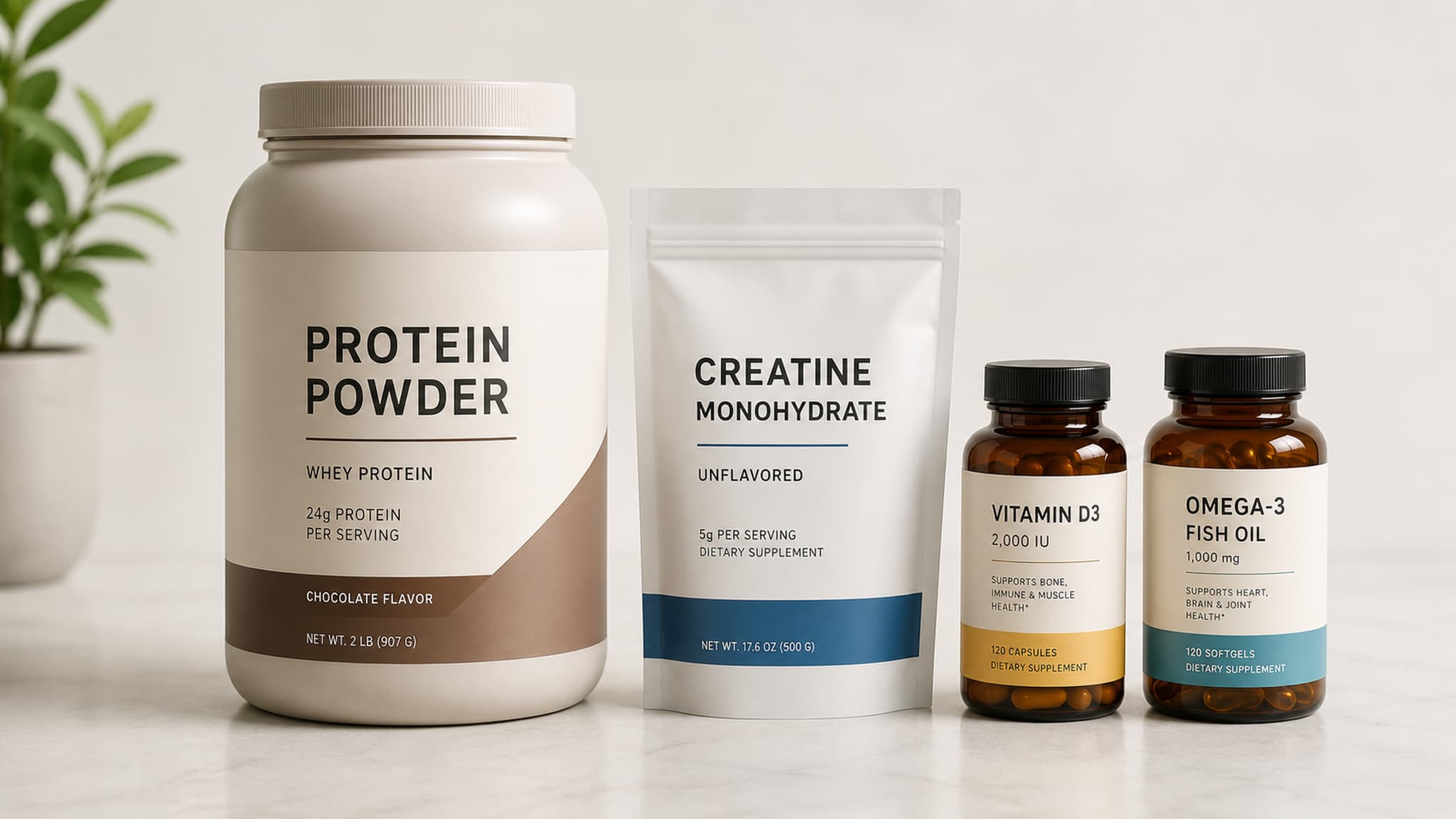
If I had to summarise my supplement recommendations for the average client in a single paragraph, it would be this. Take creatine monohydrate daily. Use a protein powder if you need help hitting your protein target. Take vitamin D throughout the year, especially in the UK. Consider an omega 3 supplement if you do not eat oily fish regularly, and opt for an algae based version if you are vegan. Use caffeine strategically before training if it suits your schedule. That is it. Everything else is optional at best and a waste of money at worst.
The supplement industry thrives on making you feel like you are missing something. You are not. What you need is a solid training programme, a well structured nutrition plan, consistent sleep, and time. No capsule or powder will replace any of those things. The clients I work with who get the best results spend the least on supplements and the most on food quality, training consistency, and accountability.
If you want a nutrition and training plan built around the fundamentals that actually produce results, with honest, evidence based guidance on the small number of supplements that might genuinely help you, that is exactly what I provide. I coach one-to-one online globally with men and women of all dietary backgrounds. Get in touch and let me cut through the noise for you.
Work with Me
Get a personalised coaching plan built around your goals, your schedule, and your life.
Enquire NowReferences
- Bailey RL, Gahche JJ, Miller PE, Thomas PR, Dwyer JT. Why US adults use dietary supplements. JAMA Internal Medicine. 2013; 173(5): 355-361.
- Jager R, Kerksick CM, Campbell BI, Cribb PJ, Wells SD, Skwiat TM, Purpura M, Ziegenfuss TN, Ferrando AA, Arent SM, Smith-Ryan AE, Stout JR, Arciero PJ, Ormsbee MJ, Taylor LW, Wilborn CD, Kalman DS, Kreider RB, Willoughby DS, Hoffman JR, Krzykowski JL, Antonio J. International Society of Sports Nutrition position stand: protein and exercise. Journal of the International Society of Sports Nutrition. 2017; 14(1): 20.
- Rawson ES, Volek JS. Effects of creatine supplementation and resistance training on muscle strength and weightlifting performance. Journal of Strength and Conditioning Research. 2003; 17(4): 822-831.
- Burke DG, Chilibeck PD, Parise G, Candow DG, Mahoney D, Tarnopolsky M. Effect of creatine and weight training on muscle creatine and performance in vegetarians. Medicine and Science in Sports and Exercise. 2003; 35(11): 1946-1955.
- Owens DJ, Allison R, Close GL. Vitamin D and the athlete: current perspectives and new challenges. Sports Medicine. 2018; 48(Suppl 1): 3-16.
- Hu Y, Hu FB, Manson JE. Marine omega-3 supplementation and cardiovascular disease: an updated meta-analysis of 13 randomised controlled trials involving 127,477 participants. Journal of the American Heart Association. 2019; 8(19): e013543.
- Burdge GC, Calder PC. Conversion of alpha-linolenic acid to longer-chain polyunsaturated fatty acids in human adults. Reproduction Nutrition Development. 2005; 45(5): 581-597.
- Grgic J, Grgic I, Pickering C, Schoenfeld BJ, Bishop DJ, Pedisic Z. Wake up and smell the coffee: caffeine supplementation and exercise performance — an umbrella review of 21 published meta-analyses. British Journal of Sports Medicine. 2020; 54(11): 681-688.
- Pittler MH, Ernst E. Dietary supplements for body-weight reduction: a systematic review. American Journal of Clinical Nutrition. 2004; 79(4): 529-536.
- Wolfe RR. Branched-chain amino acids and muscle protein synthesis in humans: myth or reality? Journal of the International Society of Sports Nutrition. 2017; 14(1): 30.
- Clemesha CG, Thaker H, Engeler DS. Testosterone boosting supplements: a critical analysis of popular supplements and their evidence base. Journal of the International Society of Sports Nutrition. 2020; 17(1): 29.