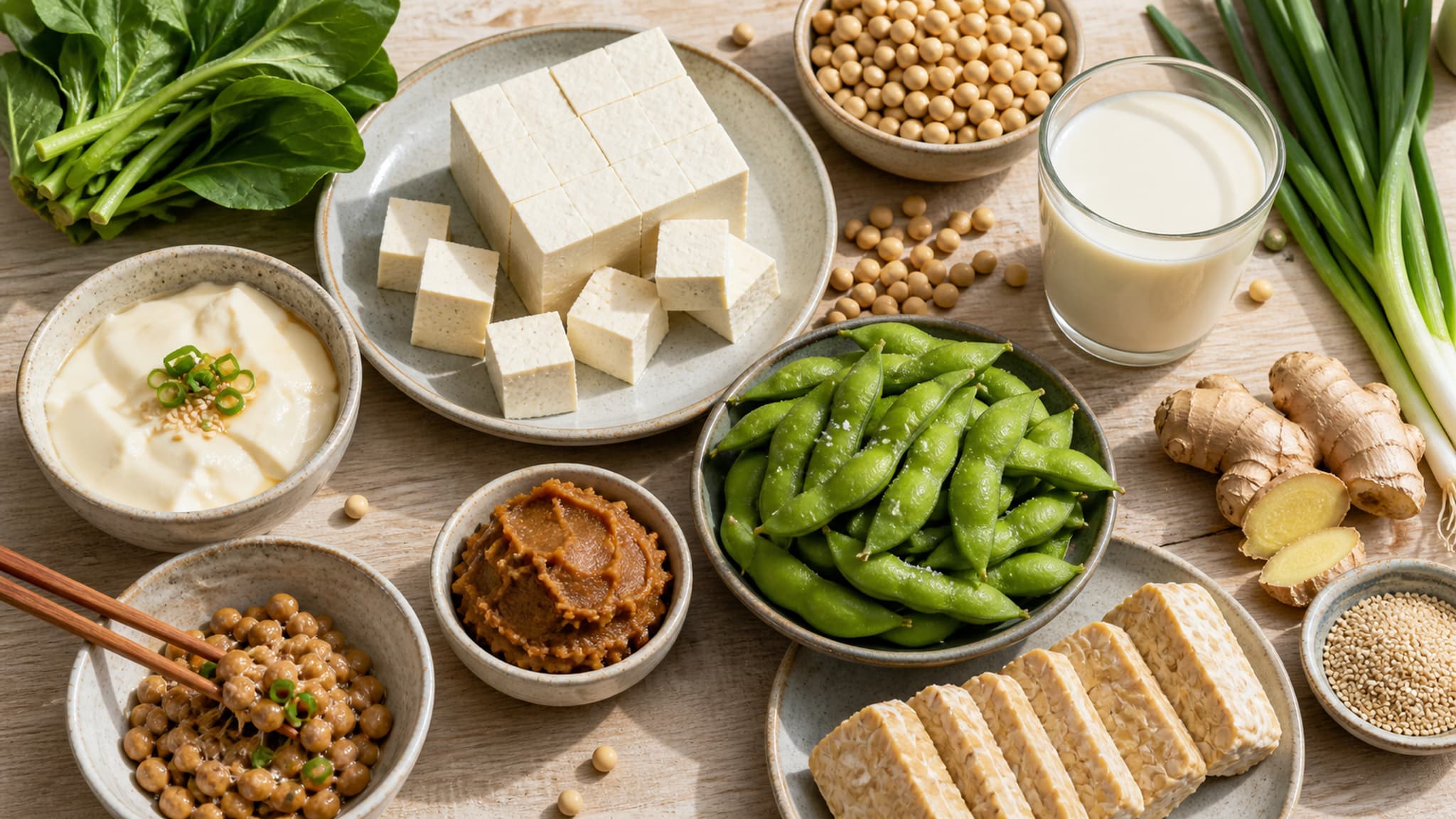
Few foods have been as aggressively and unfairly demonised as soy. If you have spent any time in fitness spaces, online forums, or gym changing rooms over the past decade, you have almost certainly heard the claims. Soy raises estrogen. Soy lowers testosterone. Soy gives men breasts. Soy feminises the male body. The term ‘soy boy’ entered mainstream slang as a way to mock men who consume plant-based protein, as though eating a block of tofu would somehow undo your biology. The claims are repeated so often and with such confidence that most people accept them as fact without ever questioning where they came from or whether they hold up to scrutiny. They do not. The scientific evidence overwhelmingly shows that soy is not only safe for men and women but is one of the most nutritionally valuable and health-promoting foods available to anyone, regardless of their dietary background.
I am a lifelong vegetarian. Soy has been a staple in my diet for as long as I can remember. Tofu, tempeh, edamame, soy milk, and soy protein have all played a role in helping me build and maintain a strong, lean physique. I recommend soy-based foods to my clients regularly, men and women alike, and I have watched them build muscle, lose fat, and improve their health while consuming soy as a primary protein source. The idea that soy is dangerous or feminising is not just wrong. It is preventing people from benefiting from one of the most researched and beneficial foods in human nutrition. It is time to set the record straight.
Where the Myth Came From
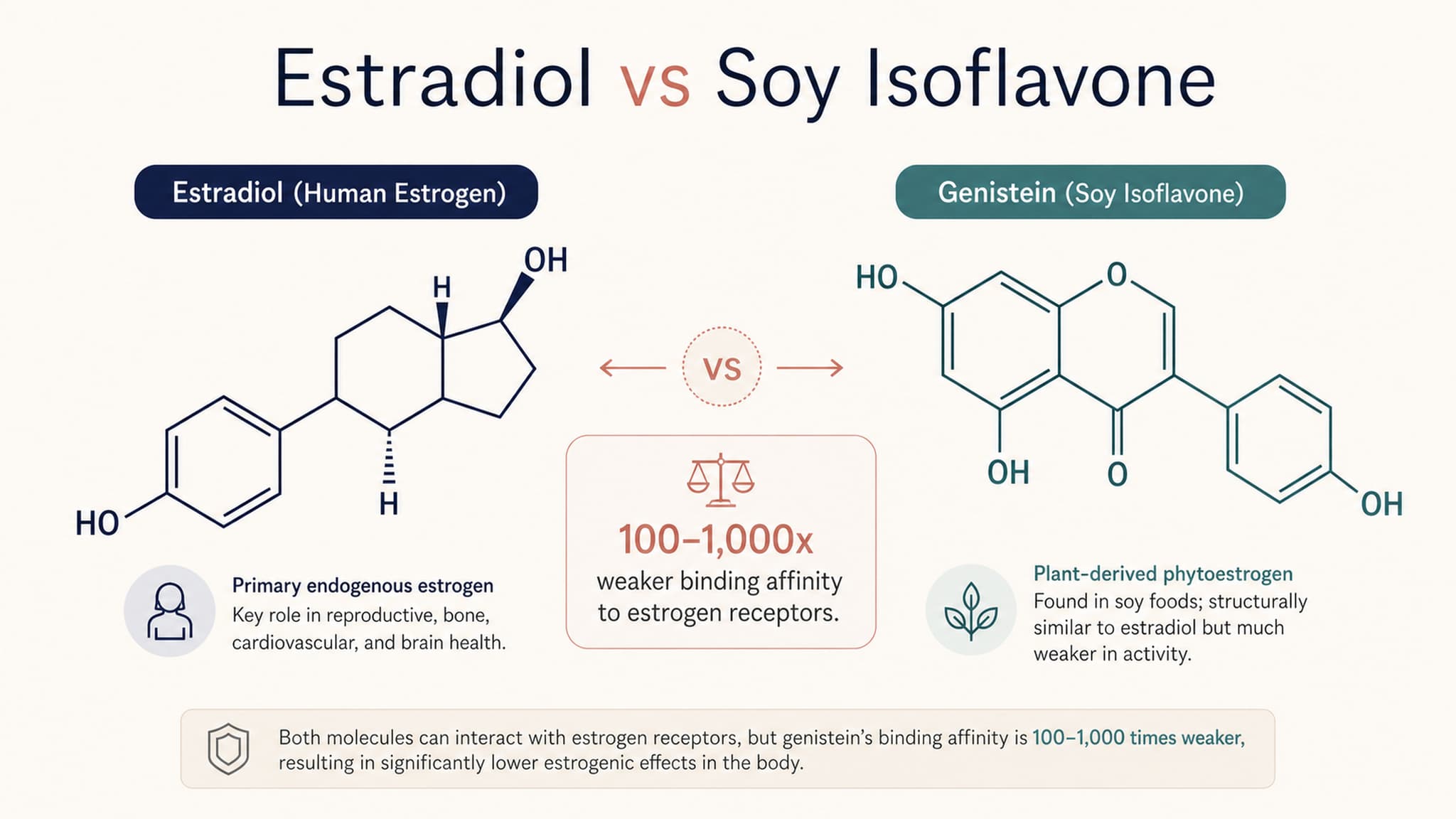
The soy and estrogen panic traces back to a misunderstanding of basic biochemistry. Soybeans contain compounds called isoflavones, specifically genistein and daidzein, which are classified as phytoestrogens. The word ‘phytoestrogen’ means plant estrogen, and that name alone has been enough to terrify an entire generation of men who heard ‘estrogen’ and stopped listening. But phytoestrogens are not estrogen. They are plant compounds with a chemical structure that is superficially similar to human estradiol (the primary form of estrogen in the body), which allows them to bind weakly to estrogen receptors. The critical word there is weakly. Phytoestrogens have an affinity for estrogen receptors that is roughly 100 to 1,000 times lower than that of human estradiol. (1) They are not the same molecule. They do not produce the same effects. And in many tissues, they actually function as selective estrogen receptor modulators (SERMs), meaning they can block the action of stronger endogenous estrogens rather than amplify it. (2)
The fear was amplified by a handful of isolated case reports and poorly designed studies that made headlines without context. The most frequently cited is a case report of a 60-year-old man who developed gynecomastia (breast tissue growth) after consuming roughly 3 litres of soy milk per day for several months, an intake so extreme it bore no resemblance to normal dietary consumption. (3) Extrapolating from a single man drinking industrial quantities of soy milk to conclude that moderate soy intake feminises men is like concluding that water is lethal because someone died from drinking 6 litres in two hours. The dose makes the poison, and normal soy consumption does not come close to the doses associated with any adverse effects.
What the Research Actually Shows About Soy and Hormones
The clinical evidence on soy and male hormones is extensive and remarkably consistent. A comprehensive meta-analysis published in Fertility and Sterility examined 15 placebo-controlled studies and 32 reports involving over 360 men and concluded that neither soy foods nor soy isoflavone supplements had any significant effect on testosterone, free testosterone, estradiol, estrone, or sex hormone-binding globulin levels in men. (4) This was not a single study. This was a systematic analysis of the entire body of controlled research available at the time, and the conclusion was unambiguous. Soy does not lower testosterone. Soy does not raise estrogen. Soy does not alter the male hormonal profile in any clinically meaningful way at normal dietary intakes.
A further updated meta-analysis published in Reproductive Toxicology in 2021 reinforced these findings, examining an even larger dataset and reaching the same conclusion: soy protein and isoflavone intake does not affect reproductive hormone levels in men. (5) The authors specifically noted that the available evidence provides no basis for the widespread concern about soy consumption and male feminisation. For women, the evidence is equally reassuring. Soy isoflavones do not increase breast cancer risk and may in fact be protective. A meta-analysis published in the British Journal of Cancer found that soy consumption was associated with a reduced risk of breast cancer, particularly in Asian populations with higher lifetime soy intake. (6) The American Cancer Society and the World Cancer Research Fund have both stated that moderate soy consumption is safe for breast cancer survivors. (7)
The Japan Argument: If Soy Were Dangerous, We Would Know by Now
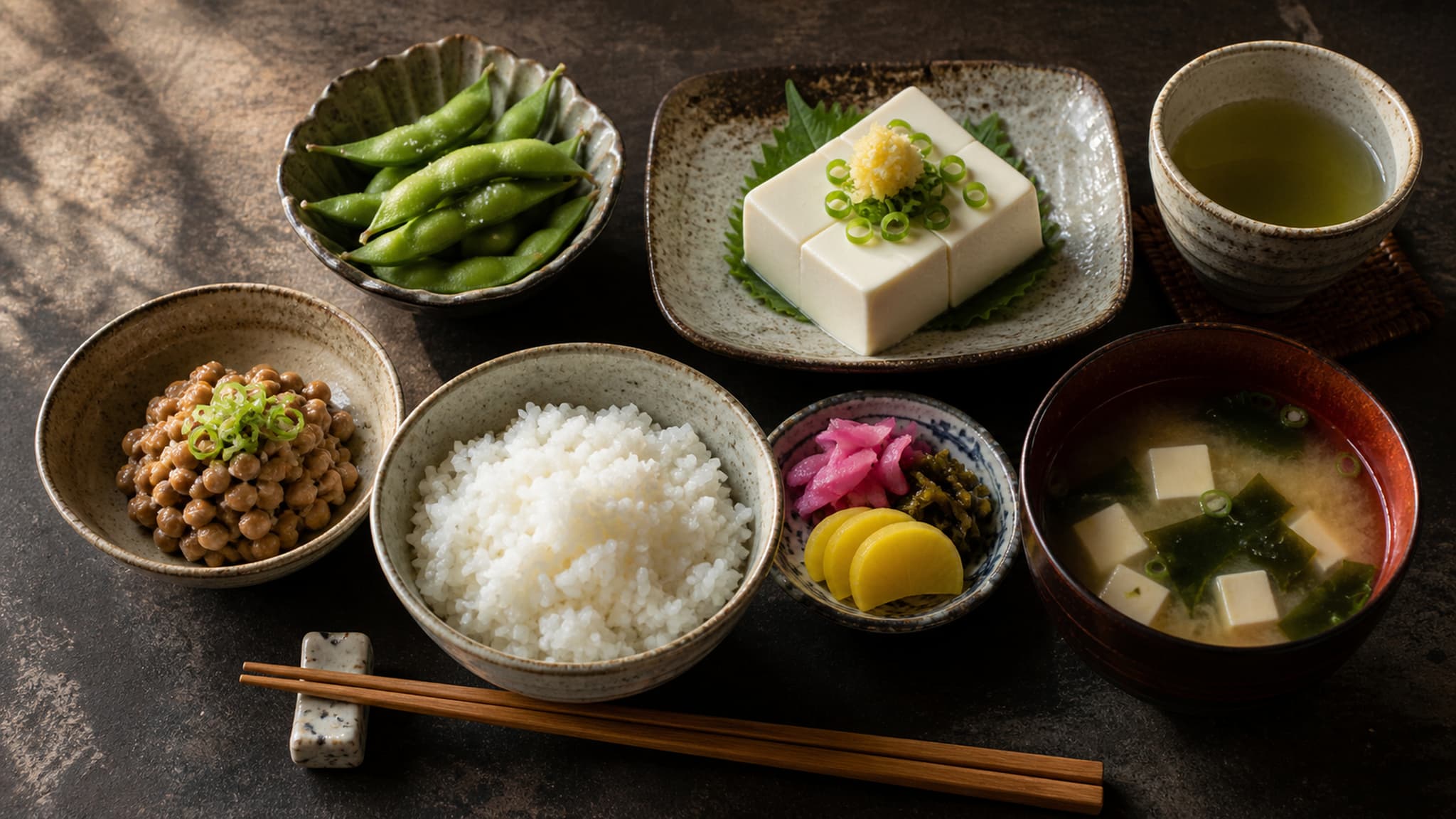
If soy truly had the feminising, health-destroying effects that its critics claim, you would expect the populations with the highest soy consumption in the world to show catastrophic health outcomes. The opposite is true. Japan has one of the highest per capita soy intakes on the planet. The average Japanese adult consumes approximately 6 to 11 grams of soy protein per day, with some estimates placing isoflavone intake at 30 to 50 milligrams daily, many times higher than the typical Western intake. (8) Soy is woven into the fabric of Japanese cuisine. Tofu, miso, natto, edamame, and soy sauce are consumed daily across all age groups and have been for centuries.
Japan also has one of the highest life expectancies in the world. As of recent data, Japanese life expectancy sits at approximately 84 years, consistently ranking in the top three globally. (9) Japanese men do not exhibit feminised characteristics. Japanese rates of cardiovascular disease are among the lowest in the developed world. Rates of prostate cancer, breast cancer, and hormone-related cancers are significantly lower in Japan than in Western countries with minimal soy consumption. (10) The Japanese population has some of the lowest obesity rates of any developed nation, excellent metabolic health markers, and remarkably low rates of the chronic diseases that plague the Western world. If soy were the hormonal disruptor its critics claim, Japan would be the canary in the coal mine. Instead, Japan is one of the healthiest nations on earth, and soy is a foundational part of the diet that has sustained that health for generations.
The same pattern holds across other high-soy-consuming Asian populations. China, South Korea, Indonesia, and Singapore all consume substantially more soy than Western nations and consistently demonstrate lower rates of cardiovascular disease, obesity, and hormone-related cancers. The epidemiological evidence is not subtle. It is overwhelming. Populations that eat the most soy are among the healthiest on the planet.
Soy as a Protein Source: The Nutritional Case
Beyond the hormone myth, soy is one of the highest quality plant protein sources available. It is one of very few plant foods that provides a complete amino acid profile, meaning it contains all nine essential amino acids in adequate proportions to support muscle protein synthesis. (11) The protein digestibility-corrected amino acid score (PDCAAS) of soy protein isolate is 1.0, the highest possible score, placing it on par with whey, casein, and egg protein in terms of digestibility and amino acid completeness. (12) The newer Digestible Indispensable Amino Acid Score (DIAAS) rates soy slightly below animal proteins due to a marginally lower methionine content, but this difference is easily compensated for by consuming a varied diet that includes grains, seeds, or other complementary protein sources across the day.
A 100-gram serving of firm tofu provides approximately 17 grams of protein, 9 grams of fat (predominantly unsaturated), and less than 2 grams of carbohydrate, with roughly 145 calories. Tempeh is even more protein-dense, providing around 20 grams of protein per 100 grams with the additional benefits of fermentation, which improves digestibility and provides probiotic bacteria. Edamame delivers approximately 11 grams of protein per 100-gram serving alongside fibre, folate, and vitamin K. Soy protein isolate, used in many plant-based protein powders, provides around 27 grams of protein per 30-gram scoop. For vegetarian and vegan clients, soy is the single most versatile and nutritionally complete protein source available, and I use it extensively in their plans.
Soy and Muscle Building: Does It Actually Work
One of the persistent concerns is that even if soy does not affect hormones, it might be inferior for building muscle compared to animal-derived proteins like whey. The research does not support this concern at practical intake levels. A study published in the International Journal of Sport Nutrition and Exercise Metabolism found that soy protein supplementation produced comparable gains in lean body mass and strength to whey protein when combined with resistance training over a 12-week period. (13) Another study published in the Journal of the International Society of Sports Nutrition found no significant differences in body composition or strength outcomes between soy and whey protein groups in resistance-trained men over 9 months. (14)
The leucine content of soy is lower than whey on a gram-for-gram basis, which is relevant because leucine is the amino acid most directly responsible for triggering muscle protein synthesis. However, this is easily addressed by consuming a slightly larger serving of soy protein or by combining soy with other leucine-containing foods across the day. When total daily protein intake is adequate (1.6 to 2.2 grams per kilogram of body weight) and distributed across meals, the source of that protein, whether soy, whey, egg, or a combination, produces comparable results. I have coached vegetarian and vegan clients to significant muscle gains using soy as their primary protein source. The results speak for themselves.
The Cardiovascular and Metabolic Benefits of Soy
Far from being harmful, soy consumption is actively cardioprotective. The US Food and Drug Administration approved a health claim in 1999 stating that 25 grams of soy protein per day, as part of a diet low in saturated fat and cholesterol, may reduce the risk of heart disease. (15) This was based on a substantial body of evidence showing that soy protein reduces LDL cholesterol (the type associated with increased cardiovascular risk). A meta-analysis published in the American Journal of Clinical Nutrition confirmed that soy protein intake significantly reduced total cholesterol, LDL cholesterol, and triglycerides. (16) The isoflavones in soy also improve arterial compliance, endothelial function, and blood pressure, all of which contribute to a healthier cardiovascular profile.
For clients managing metabolic health conditions, soy offers additional benefits. Research has shown that soy isoflavones improve insulin sensitivity and glucose metabolism, making soy foods particularly valuable for individuals with type 2 diabetes, PCOS, or metabolic syndrome. (17) The fibre content of whole soy foods like edamame, tempeh, and whole soybeans further supports blood sugar regulation and gut health. When I am building a nutrition plan for a client with cardiovascular or metabolic concerns, soy-based foods feature prominently, not as an alternative but as a preferred choice for their specific health benefits.
Soy and Bone Health
Soy isoflavones have been shown to support bone mineral density, particularly in post-menopausal women. A meta-analysis published in the European Journal of Clinical Nutrition found that soy isoflavone supplementation significantly improved bone mineral density at the lumbar spine in menopausal women. (18) This is relevant because the decline in estrogen during menopause accelerates bone loss and increases the risk of osteoporosis. Soy isoflavones, through their weak estrogenic activity at bone tissue receptors, may provide a modest protective effect. Combined with resistance training, adequate calcium and vitamin D intake, and a high-protein diet, soy consumption is one more tool supporting long-term skeletal health in women as they age.
Fermented vs Unfermented Soy
You may have read claims that only fermented soy (tempeh, miso, natto) is safe and that unfermented soy (tofu, soy milk, edamame) is harmful due to ‘anti-nutrients’ like phytates and trypsin inhibitors. This is another oversimplification. Phytates do reduce the absorption of certain minerals like iron and zinc, but the effect is modest and largely irrelevant in the context of a varied diet. Trypsin inhibitors are substantially reduced by cooking and processing, and the levels present in commercially prepared tofu and soy milk are not clinically significant. (19) Fermented soy foods do offer additional benefits, including improved digestibility, probiotic bacteria, enhanced vitamin K2 content (particularly in natto), and potentially greater isoflavone bioavailability. But unfermented soy foods like tofu, edamame, and soy milk are perfectly safe, nutritious, and well-supported by the evidence. I use both forms with my clients and recommend a mix for variety.
Top Tips for Including Soy in Your Diet
Use Soy as a Primary Protein Source if You Are Plant-Based. Soy is the most complete and versatile plant protein available. If you are vegetarian or vegan, building meals around tofu, tempeh, edamame, and soy protein powder gives you a strong amino acid foundation that supports muscle growth and recovery. Aim to include at least one to two soy-based meals per day alongside other plant proteins like lentils, chickpeas, and seitan for variety.
Do Not Fear Soy if You Are a Man. The evidence is clear and consistent. Normal dietary intake of soy does not lower your testosterone, raise your estrogen, or feminise your body. If the men of Japan can consume soy daily for generations while maintaining excellent health and longevity, a few servings of tofu per week are not going to compromise your hormones. Stop letting internet myths dictate your food choices.
Choose Whole and Minimally Processed Soy Foods. Tofu, tempeh, edamame, miso, natto, and soy milk are all excellent choices. Highly processed soy products like soy-based junk foods, heavily sweetened soy desserts, and products with long ingredient lists are not the same thing nutritionally. As with any food category, the less processed the better. Whole soy foods deliver protein, fibre, isoflavones, and micronutrients in their most bioavailable form.
Include Fermented Soy Regularly. Tempeh, miso, and natto offer the additional benefits of probiotic bacteria, improved digestibility, and enhanced nutrient availability. Adding a bowl of miso soup to your meals, using tempeh in stir-fries, or incorporating natto if your palate allows it brings both protein and gut health benefits to your diet.
Use Soy Protein Powder as a Convenient Supplement. Soy protein isolate scores a perfect 1.0 on the PDCAAS scale and mixes well in smoothies and shakes. It is a practical, high-quality option for meeting your daily protein target when whole food is not convenient. For clients who want a plant-based protein powder that delivers a complete amino acid profile without blending three different sources, soy protein is often the simplest and most effective choice.
Combine Soy With Other Plant Proteins for Optimal Amino Acid Coverage. While soy is complete on its own, eating it alongside grains (rice, oats, bread), seeds, nuts, and legumes throughout the day ensures you are covering every amino acid base comprehensively. This is standard practice in traditional cuisines worldwide, from Japanese rice and tofu to Indonesian tempeh with rice. You do not need to combine proteins in every single meal. Just eat a varied diet across the day and the amino acid profile takes care of itself.
The Bottom Line
Soy is not the enemy. It is not feminising men. It is not disrupting hormones. It is not causing cancer. It is a complete protein source with cardiovascular benefits, metabolic benefits, bone health benefits, and anti-cancer properties that has been consumed by some of the healthiest and longest-lived populations on earth for centuries. The myths around soy are based on a misunderstanding of phytoestrogen biochemistry, amplified by internet culture and a handful of absurd case reports involving consumption levels no reasonable person would ever reach. The actual evidence, from meta-analyses, controlled trials, and decades of epidemiological data, tells a completely different story. Soy is safe. Soy is nutritious. And for many people, particularly those following plant-based diets, soy is one of the most valuable foods available.
If you want a nutrition plan that cuts through the noise, is built on evidence rather than fear, and accounts for your dietary preferences, your training, and your specific health goals, get in touch through TR Performance Coaching. I work one-to-one with clients online globally. Whether you eat meat, are vegetarian, vegan, or somewhere in between, I will build a plan based on what actually works, not what the internet tells you to be afraid of.
Work with Me
Get a personalised coaching plan built around your goals, your schedule, and your life.
Enquire NowReferences
- Kuiper GG, Lemmen JG, Carlsson B, et al. Interaction of estrogenic chemicals and phytoestrogens with estrogen receptor beta. Endocrinology. 1998; 139(10): 4252-4263.
- Patisaul HB, Jefferson W. The pros and cons of phytoestrogens. Frontiers in Neuroendocrinology. 2010; 31(4): 400-419.
- Martinez J, Lewi JE. An unusual case of gynecomastia associated with soy product consumption. Endocrine Practice. 2008; 14(4): 415-418.
- Hamilton-Reeves JM, Vazquez G, Duval SJ, Phipps WR, Kurzer MS, Messina MJ. Clinical studies show no effects of soy protein or isoflavones on reproductive hormones in men: results of a meta-analysis. Fertility and Sterility. 2010; 94(3): 997-1007.
- Reed KE, Camargo J, Hamilton-Reeves J, Kurzer M, Messina M. Neither soy nor isoflavone intake affects male reproductive hormones: an expanded and updated meta-analysis of clinical studies. Reproductive Toxicology. 2021; 100: 60-67.
- Trock BJ, Hilakivi-Clarke L, Clarke R. Meta-analysis of soy intake and breast cancer risk. Journal of the National Cancer Institute. 2006; 98(7): 459-471.
- World Cancer Research Fund/American Institute for Cancer Research. Diet, Nutrition, Physical Activity and Cancer: A Global Perspective. Continuous Update Project Expert Report. 2018.
- Messina M, Nagata C, Wu AH. Estimated Asian adult soy protein and isoflavone intakes. Nutrition and Cancer. 2006; 55(1): 1-12.
- World Health Organization. World Health Statistics 2023: Monitoring Health for the SDGs. Geneva: WHO; 2023.
- Ajiki W, Tsukuma H, Oshima A. Cancer incidence and incidence rates in Japan in 2003: based on data from 13 population-based cancer registries. Japanese Journal of Clinical Oncology. 2006; 36(10): 668-675.
- Young VR, Pellett PL. Plant proteins in relation to human protein and amino acid nutrition. American Journal of Clinical Nutrition. 1994; 59(5 Suppl): 1203S-1212S.
- Hughes GJ, Ryan DJ, Mukherjea R, Schasteen CS. Protein digestibility-corrected amino acid scores (PDCAAS) for soy protein isolates and concentrate: criteria for evaluation. Journal of Agricultural and Food Chemistry. 2011; 59(23): 12707-12712.
- Candow DG, Burke NC, Smith-Palmer T, Burke DG. Effect of whey and soy protein supplementation combined with resistance training in young adults. International Journal of Sport Nutrition and Exercise Metabolism. 2006; 16(3): 233-244.
- Kalman D, Feldman S, Martinez M, Krieger DR, Tallon MJ. Effect of protein source and resistance training on body composition and sex hormones. Journal of the International Society of Sports Nutrition. 2007; 4: 4.
- US Food and Drug Administration. Food labeling: health claims; soy protein and coronary heart disease. Federal Register. 1999; 64(206): 57700-57733.
- Anderson JW, Johnstone BM, Cook-Newell ME. Meta-analysis of the effects of soy protein intake on serum lipids. New England Journal of Medicine. 1995; 333(5): 276-282.
- Liu ZM, Chen YM, Ho SC. Effects of soy intake on glycemic control: a meta-analysis of randomized controlled trials. American Journal of Clinical Nutrition. 2011; 93(5): 1092-1101.
- Ma DF, Qin LQ, Wang PY, Katoh R. Soy isoflavone intake increases bone mineral density in the spine of menopausal women: meta-analysis of randomized controlled trials. Clinical Nutrition. 2008; 27(1): 57-64.
- Messina M. Soy and health update: evaluation of the clinical and epidemiologic literature. Nutrients. 2016; 8(12): 754.