The same confusions, the same myths, and the same genuine concerns surface again and again, regardless of whether I am working with a first-time gym goer or a seasoned athlete. The problem is not that the answers are complicated. The problem is that the fitness industry has made them seem complicated by burying straightforward science under layers of marketing, ideology, and conflicting advice. What follows are the nutrition questions I get asked more than anything else, answered with the honesty and directness that my clients have come to expect from me. No hedging. No sales pitch. Just what I actually believe based on the evidence and my real-world experience.
Do Carbohydrates Make You Fat?
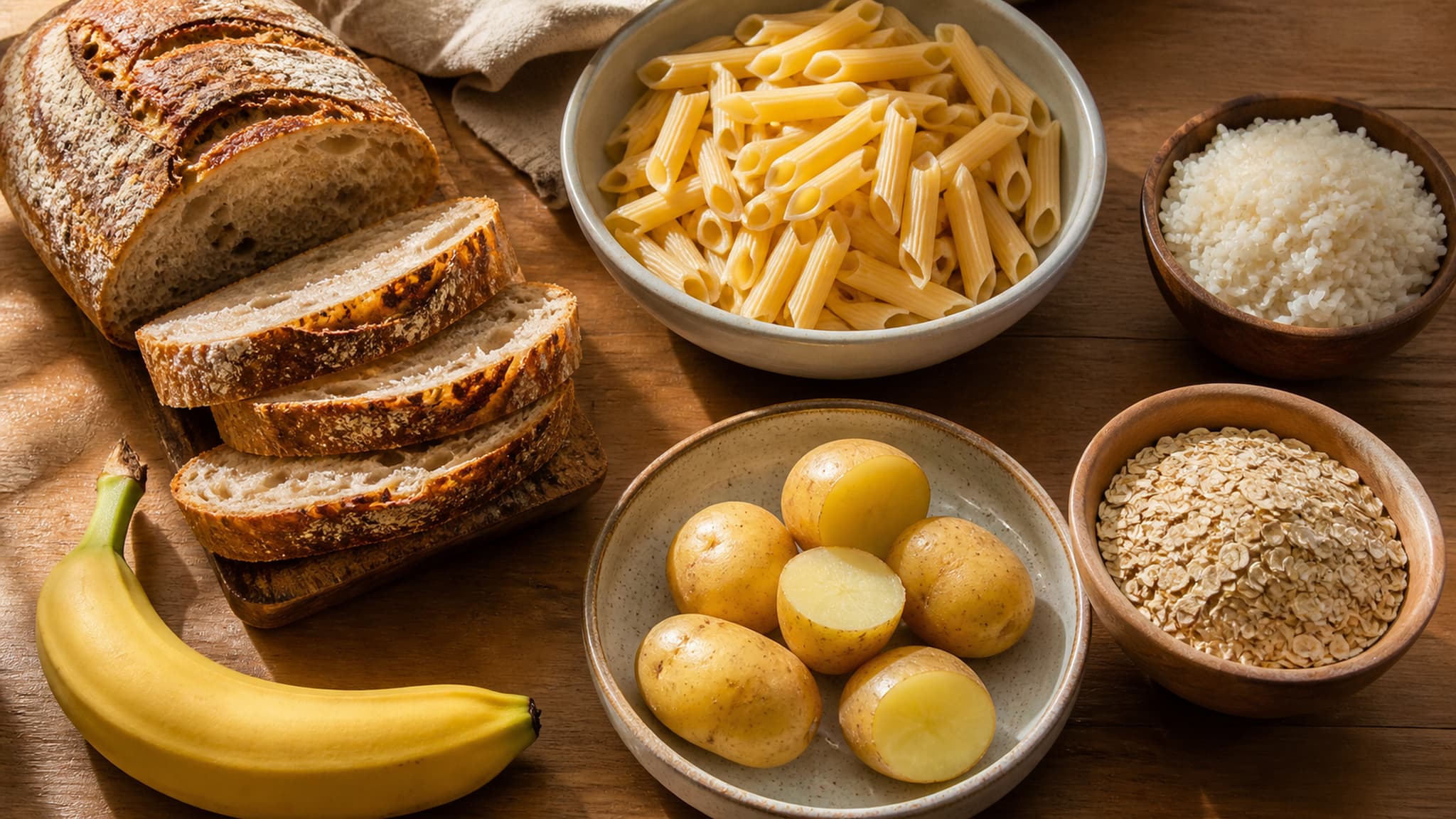
No. Excess calories make you fat, and carbohydrates are simply one source of those calories. The idea that carbohydrates are inherently fattening has been one of the most persistent and damaging myths in nutrition for the last two decades. A comprehensive review published in the American Journal of Clinical Nutrition analysed multiple controlled feeding studies and concluded that when total calorie intake is equated, there is no significant difference in body fat loss between low-carbohydrate and higher-carbohydrate diets (1). Carbohydrates are your body's preferred fuel source for high-intensity exercise, they support brain function, they help regulate sleep through serotonin production, and they play a role in thyroid and metabolic hormone regulation. Whether you should eat more or fewer carbohydrates depends on your activity level, your goals, your body composition, and your personal tolerance. It does not depend on whether carbs are inherently ‘good’ or ‘bad’ because that framing is meaningless.
Is Eating After 6pm Going to Make Me Gain Weight?
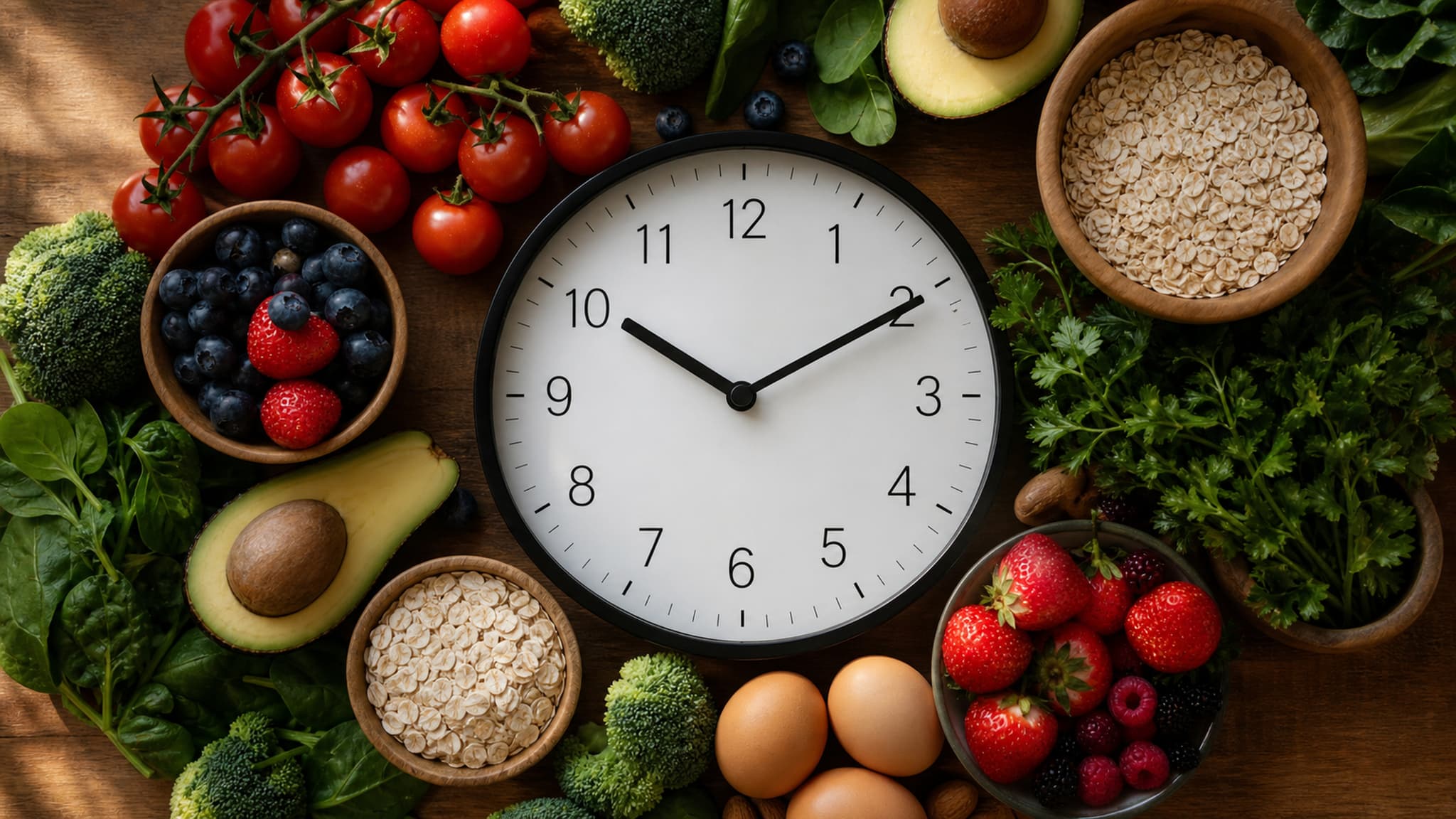
No. Your body does not have a magical switch that changes how it processes food based on the time of day. What matters is your total calorie intake over the course of 24 hours relative to your total energy expenditure. A study published in the British Journal of Nutrition found no difference in fat loss between participants who consumed the majority of their calories earlier in the day versus later in the day when total calorie intake was the same (2). In fact, there is evidence suggesting that consuming carbohydrates later in the day may actually improve sleep quality and next-day satiety, because carbohydrate consumption increases serotonin and melatonin production (3). I actually encourage many of my clients to have their largest carbohydrate-containing meal in the evening, particularly if they train in the afternoon and need glycogen replenishment, and also because it tends to fit better with family dinners and social life.
How Much Protein Do I Really Need?
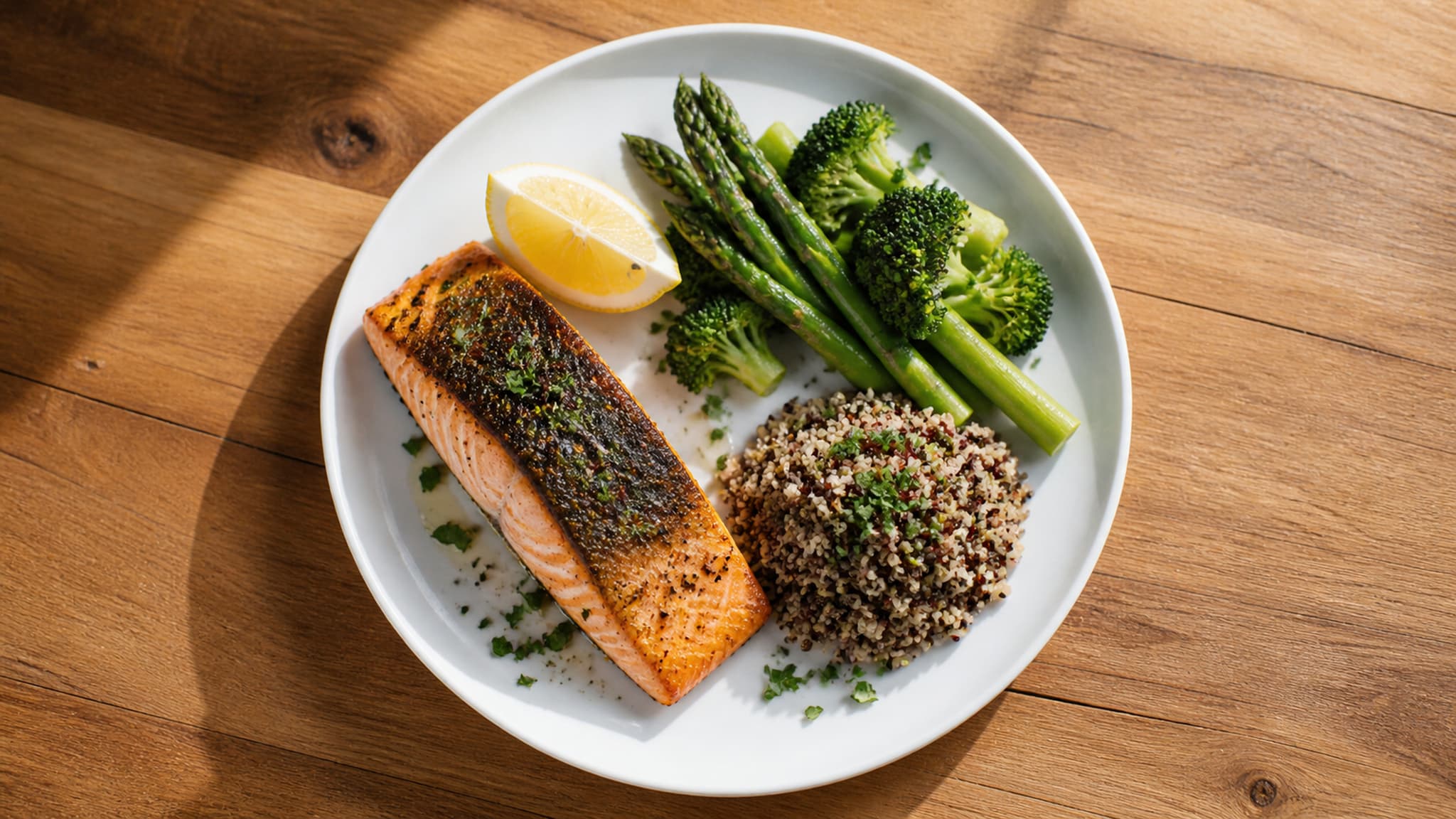
If your goal is fat loss while preserving muscle mass, which it should be, the evidence consistently points to a range of 1.6 to 2.2 grams of protein per kilogram of body weight per day (4). For most people, this works out to somewhere between 120 and 180 grams of protein per day depending on body weight. That is significantly more than the UK Reference Nutrient Intake of 0.75 grams per kilogram, which is a minimum to prevent deficiency rather than an optimal intake for body composition. I set protein as the first nutritional priority with every client. Once we know their protein target, we build the rest of the diet around it.
For vegetarian and vegan clients, hitting this target requires more deliberate planning but is absolutely achievable. Tofu, tempeh, seitan, edamame, lentils, chickpeas, Greek yoghurt (for vegetarians), and quality plant-based protein powders made from pea, soy, or rice protein can all contribute meaningfully. The key is distributing protein across multiple meals throughout the day, aiming for at least 25 to 40 grams per meal, to maximise the muscle protein synthesis response at each feeding (5).
Should I Cut Out Sugar Completely?
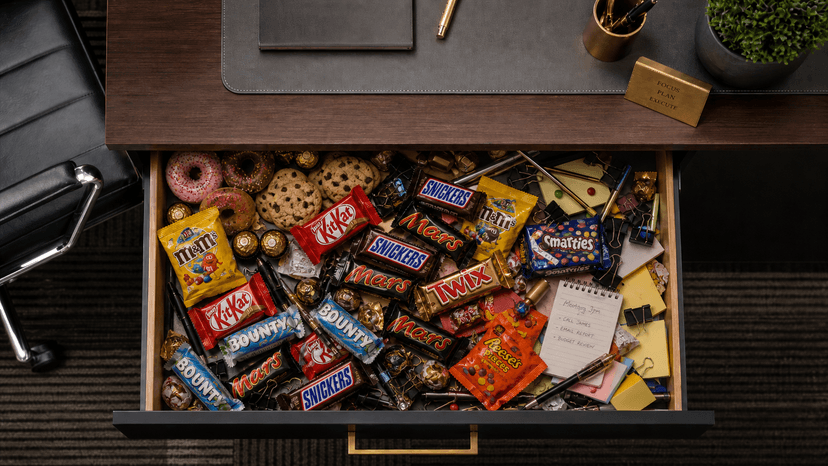
You do not need to eliminate sugar entirely, but you do need to be aware of how much you are consuming and where it is coming from. There is a meaningful difference between the naturally occurring sugars found in whole fruit, which come packaged with fibre, vitamins, and phytochemicals, and the added sugars found in processed foods, soft drinks, and confectionery. The World Health Organisation recommends limiting free sugar intake to less than 10 percent of total daily energy, with additional benefits seen at below 5 percent (6). For most adults, that translates to roughly 25 to 50 grams of added sugar per day.
The reason added sugar is problematic for fat loss is not because of some unique fattening property. It is because sugar is calorically dense, nutritionally empty, minimally satiating, and extremely easy to overconsume. A single can of cola contains roughly 35 grams of sugar and provides no fibre, no protein, and no micronutrients. Those are calories that do nothing to fill you up or nourish your body. Reducing added sugar intake is one of the simplest and most effective changes most people can make, not because sugar is toxic, but because replacing those empty calories with whole foods that contain protein and fibre makes it dramatically easier to stay in a calorie deficit.
Can I Build Muscle and Lose Fat at the Same Time?
In certain circumstances, yes. This process, known as body recomposition, is most achievable in three specific populations: beginners who are new to resistance training, individuals returning to training after a significant break, and individuals with higher levels of body fat. A study published in the American Journal of Clinical Nutrition demonstrated that untrained participants who combined a calorie deficit with a high-protein diet and resistance training gained significant lean mass while simultaneously losing body fat (7). However, for trained individuals who are already relatively lean, trying to build muscle and lose fat simultaneously becomes progressively more difficult. In most cases, I recommend dedicating distinct phases to each goal rather than trying to accomplish both at once, as this tends to produce faster and more measurable results.
Are Supplements Necessary for Fat Loss?
The vast majority of fat loss supplements are a waste of money. The supplement industry generates billions of pounds annually by selling products that promise to accelerate fat burning, suppress appetite, or boost metabolism, and the evidence supporting most of these claims ranges from weak to nonexistent. A systematic review published in Obesity Reviews assessed the efficacy of popular weight loss supplements and concluded that the evidence for most was insufficient to recommend their use (8). There are a small number of supplements with genuine evidence supporting their use in a fat loss context, including caffeine (which modestly increases metabolic rate and exercise performance), creatine (which supports training quality and lean mass retention), protein powder (which is simply a convenient protein source), and vitamin D and omega-3 fatty acids (which support overall health, particularly in populations where deficiency is common). Beyond those, you are almost certainly better off spending your money on quality food.

Is Breakfast Really the Most Important Meal of the Day?
This is one I have written about in depth before, and my answer remains the same: it depends entirely on you. The idea that breakfast is uniquely important for fat loss or metabolism is not supported by the evidence. A randomised controlled trial published in the American Journal of Clinical Nutrition found no significant difference in weight loss between participants who ate breakfast and those who skipped it, as long as total daily calorie intake was equivalent (9). What matters is whether eating breakfast helps you control your appetite and make better food choices for the rest of the day, or whether skipping it allows you to allocate more calories to meals you enjoy later on. I have clients who thrive with a high-protein breakfast at 7am and clients who do better with their first meal at noon. Neither approach is universally correct. The correct approach is the one that supports your adherence to your overall calorie and protein targets.
How Do I Know If My Diet Is Working?
This is a better question than most people realise, because the answer is not simply whether the scale is going down. I assess progress through multiple data points: weekly average body weight trends (not daily fluctuations), waist and hip circumference measurements taken fortnightly, progress photographs taken under consistent lighting and conditions, training performance logs, subjective measures like energy levels, sleep quality, and hunger management, and where appropriate, blood work markers including fasting glucose, HbA1c, lipid profiles, and blood pressure. If all of these indicators are moving in the right direction, the plan is working, even if the scale has a bad week. If multiple indicators are stagnating or moving in the wrong direction, adjustments are needed. This multi-metric approach prevents the panic and knee-jerk reactions that single-metric tracking inevitably produces.
What Do You Eat Personally?
I get asked this surprisingly often, and I am always happy to be transparent about it. I am a lifelong vegetarian, and my diet is built around the same principles I apply with every client. I prioritise protein at every meal, using sources like paneer, tofu, tempeh, Greek yoghurt, eggs, cottage cheese, legumes, and plant-based protein supplements. I eat a large volume of vegetables with every main meal. I include carbohydrates in amounts that match my training output, primarily from oats, rice, sweet potatoes, fruit, and wholegrain bread. I include healthy fats from olive oil, nuts, seeds, and avocado. I do not follow a named diet. I do not take exotic supplements. I eat simple, whole foods in appropriate amounts and have done for years. It is not glamorous, and it would make a terrible social media post. But it works, and it has worked consistently.
The Bottom Line
The questions in this article are not niche. They are the questions that most people have about nutrition, and the fact that so many people are still confused about the answers tells you everything you need to know about the state of nutrition education in the mainstream. The answers are not complicated. Eat in a calorie deficit to lose fat. Eat enough protein. Eat your vegetables. Do not fear carbohydrates or fat. Do not rely on supplements. Be consistent. Track your progress properly. And find an approach that fits your real life.
If you have more questions, or if you are tired of trying to piece together conflicting advice from the internet and want someone to give you a clear, personalised plan, I am here to help. I work one-to-one with clients online globally, across every dietary background from meat eaters to vegetarians to vegans. Get in touch and let me answer your questions properly.
Work with Me
Get a personalised coaching plan built around your goals, your schedule, and your life.
Enquire NowReferences
- Hall KD, Guo J. Obesity energetics: body weight regulation and the effects of diet composition. Gastroenterology. 2017; 152(7): 1718-1727.
- Keim NL, Van Loan MD, Horn WF, Barbieri TF, Mayclin PL. Weight loss is greater with consumption of large morning meals and fat-free mass is preserved with large evening meals in women on a controlled weight reduction regimen. Journal of Nutrition. 1997; 127(1): 75-82.
- Afaghi A, O'Connor H, Chow CM. High-glycemic-index carbohydrate meals shorten sleep onset. American Journal of Clinical Nutrition. 2007; 85(2): 426-430.
- Morton RW, Murphy KT, McKellar SR, et al. A systematic review, meta-analysis and meta-regression of the effect of protein supplementation on resistance training-induced gains in muscle mass and strength in healthy adults. British Journal of Sports Medicine. 2018; 52(6): 376-384.
- Schoenfeld BJ, Aragon AA. How much protein can the body use in a single meal for muscle-building? Implications for daily protein distribution. Journal of the International Society of Sports Nutrition. 2018; 15: 10.
- World Health Organisation. Guideline: sugars intake for adults and children. Geneva: WHO; 2015.
- Longland TM, Oikawa SY, Mitchell CJ, Devries MC, Phillips SM. Higher compared with lower dietary protein during an energy deficit combined with intense exercise promotes greater lean mass gain and fat mass loss: a randomized trial. American Journal of Clinical Nutrition. 2016; 103(3): 738-746.
- Pittler MH, Ernst E. Dietary supplements for body-weight reduction: a systematic review. American Journal of Clinical Nutrition. 2004; 79(4): 529-536.
- Dhurandhar EJ, Dawson J, Alcorn A, et al. The effectiveness of breakfast recommendations on weight loss: a randomized controlled trial. American Journal of Clinical Nutrition. 2014; 100(2): 507-513.