The fat loss supplements industry is worth billions. Walk into any health food shop, scroll any fitness website, or open any social media platform and you will be bombarded with products promising to burn fat, boost your metabolism, suppress your appetite, and accelerate your results. Fat burners, thermogenics, CLA, L-carnitine, green tea extract, garcinia cambogia, raspberry ketones, apple cider vinegar capsules. The list is endless and the promises are relentless. But do any of them actually work?
The honest answer is one the supplement industry does not want you to hear: the overwhelming majority of fat loss supplements produce either no meaningful effect or effects so small that they are clinically insignificant. A comprehensive review examining commonly marketed natural supplements for weight loss, including green tea extract, CLA, carnitine, chromium, conjugated linoleic acid, and others, concluded that there was insufficient evidence to suggest that these supplements contribute to significant weight loss (1). The review stated plainly that they should not be recommended as an adjunct to weight loss treatment.
I have worked with hundreds of clients, from meat eaters to vegetarians to vegans, from healthy individuals to those managing type 2 diabetes, type 1 diabetes, PCOS, and hypertension. Not one of those transformations was built on supplements. Every single one was built on a calorie deficit, adequate protein, resistance training, consistent daily movement, and structured accountability. Supplements were, at most, a minor footnote. This article is my honest, evidence-based assessment of the most popular fat loss supplements on the market. I am going to tell you what the research actually shows, not what the marketing claims.
Fat Loss Supplements: What the Evidence Actually Shows
This table summarises the current scientific evidence for the most commonly marketed fat loss supplements. I have rated each one based on the quality and consistency of the research, the magnitude of any observed effect, and whether the effect is meaningful in a real-world fat loss context.
| Supplement | What It Claims to Do | What the Research Shows | My Verdict |
|---|---|---|---|
| Caffeine | Increases metabolic rate, mobilises fat, boosts energy | 200 to 400mg can increase metabolic rate by 3 to 11% and enhance fat oxidation during exercise. One of few supplements with consistent evidence (2). | Useful. The only fat loss supplement I routinely recommend. Best from coffee or caffeine tablets. Modest effect. |
| Green Tea Extract (EGCG) | Burns fat, boosts metabolism, increases thermogenesis | Meta-analysis: EGCG plus caffeine produced a mean extra loss of 1.31kg over 12 to 13 weeks versus placebo (3). EGCG alone without caffeine shows minimal effect. | Marginal. Works primarily through its caffeine content. The catechin effect is small and inconsistent. Not worth the cost as a standalone. |
| CLA (Conjugated Linoleic Acid) | Reduces body fat, changes body composition, preserves muscle | Meta-analysis: approximately 0.05kg per week additional fat loss at doses of 3 to 6g per day (4). Results are inconsistent and often not replicated. May cause GI side effects. | Not recommended. The effect is so small it is practically meaningless. Save your money. |
| L-Carnitine | Transports fat to mitochondria for burning, boosts energy | Meta-analysis: average additional weight loss of 1.33kg compared to placebo, but study quality was generally low (5). Healthy individuals with adequate dietary intake show minimal benefit. | Not recommended for most people. May have a marginal role for vegans or those with clinical deficiency. Otherwise your body makes enough. |
| Garcinia Cambogia | Suppresses appetite, blocks fat production, reduces belly fat | Meta-analysis: small effect on body weight (approximately 0.88kg), but multiple studies show no significant difference from placebo (6). Quality of evidence is low. | Not recommended. The evidence is weak and inconsistent. Classic example of supplement industry hype outrunning the science. |
| Raspberry Ketones | Increases fat breakdown, boosts adiponectin, burns belly fat | No reliable human clinical trials exist. All positive evidence comes from animal or test-tube studies at doses far exceeding what supplements provide (7). | Avoid. Zero credible human evidence. One of the most overhyped supplements in the industry. |
| Apple Cider Vinegar | Burns fat, reduces appetite, lowers blood sugar | One small study showed modest weight loss (1 to 2kg over 12 weeks) at high doses (8). Most research is on blood glucose rather than fat loss. Evidence is extremely limited. | Not recommended for fat loss. May have a small benefit for blood glucose management in some individuals. Not a fat burner. |
| Chromium Picolinate | Improves insulin sensitivity, reduces cravings, aids fat loss | Cochrane review found no significant effect on body weight or body fat percentage in people with overweight or obesity (9). | Not recommended for fat loss. May support insulin sensitivity in deficient individuals but does not cause fat loss. |
| Protein Powder | Supports muscle preservation, increases satiety, boosts thermic effect | Strong evidence that adequate protein intake (1.6 to 2.2g/kg/day) preserves muscle, reduces hunger, and supports metabolic rate during a deficit (10). Protein powder is a convenient way to hit targets. | Recommended. Not a fat burner, but the most useful supplement for anyone in a fat loss phase. Helps you hit your protein target consistently. |
The Only Two Supplements I Routinely Recommend for Fat Loss
After reviewing the evidence across every major fat loss supplement category, there are only two that I consistently include in my clients' programmes, and neither of them is a fat burner in the traditional sense.
The first is caffeine. Caffeine is the most well-researched ergogenic aid in sports nutrition. At doses of 200 to 400 milligrams (roughly two to four cups of coffee), it modestly increases metabolic rate, enhances fat oxidation particularly during exercise, reduces perceived exertion during training, and improves focus and energy during a calorie deficit when fatigue is common (2). The effect on fat loss is real but modest. We are talking about an additional 50 to 100 calories of expenditure per day at most. That adds up over weeks and months, but it is not going to transform your physique on its own. I recommend caffeine from coffee, black tea, or inexpensive caffeine tablets rather than expensive proprietary fat burner blends that charge a premium for the same active ingredient.

The second is protein powder. This is not a fat loss supplement in the traditional sense. It is a food in powdered form. But it is the single most useful supplement for anyone in a fat loss phase because it makes hitting a protein target of 1.8 to 2.2 grams per kilogram of bodyweight dramatically easier. Whey protein for omnivores and vegetarians. Soy protein isolate or pea protein for vegans. One to two scoops per day can fill the gap between what you get from whole food and what you need to preserve muscle, support satiety, and maintain the thermic effect of feeding during a deficit. It is convenient, cost-effective, and backed by an enormous body of evidence (10).
Why Most Fat Loss Supplements Do Not Work
There are several reasons why the vast majority of fat loss supplements fail to deliver meaningful results, and understanding them will save you a significant amount of money and frustration.
The first reason is that the effects, even where they exist, are too small to matter without the fundamentals already in place. Caffeine might increase your metabolic rate by 3 to 11 percent. Green tea catechins might add an extra 1.3 kilograms of weight loss over three months. CLA might produce 0.05 kilograms of additional fat loss per week. None of these effects will be visible, measurable, or meaningful if you are not already in a consistent calorie deficit with adequate protein and a structured training programme. A supplement that adds 50 calories of extra expenditure per day is worthless if you are accidentally overeating by 300 calories because you are not tracking your food accurately.
The second reason is that supplement research is heavily influenced by the supplement industry itself. Many studies are funded, designed, or conducted by companies with a direct financial interest in positive results. Publication bias means that studies showing no effect are less likely to be published. And the doses used in positive studies are often far higher than what is found in commercially available products. The capsule you buy at the shop may contain a fraction of the dose that produced a small effect in the laboratory.
The third reason is that the human body is remarkably good at maintaining homeostasis. If a supplement slightly increases your metabolic rate, your body compensates by slightly reducing energy expenditure elsewhere, often through unconscious reductions in non-exercise activity. If a supplement mildly suppresses your appetite for an hour, you often compensate by eating slightly more at your next meal. These compensatory mechanisms are well documented in the research on metabolic adaptation (11) and they apply equally to the small perturbations caused by supplements.
Supplements to Actively Avoid
Beyond the merely ineffective, there are categories of fat loss supplements that are genuinely dangerous and should be avoided entirely.
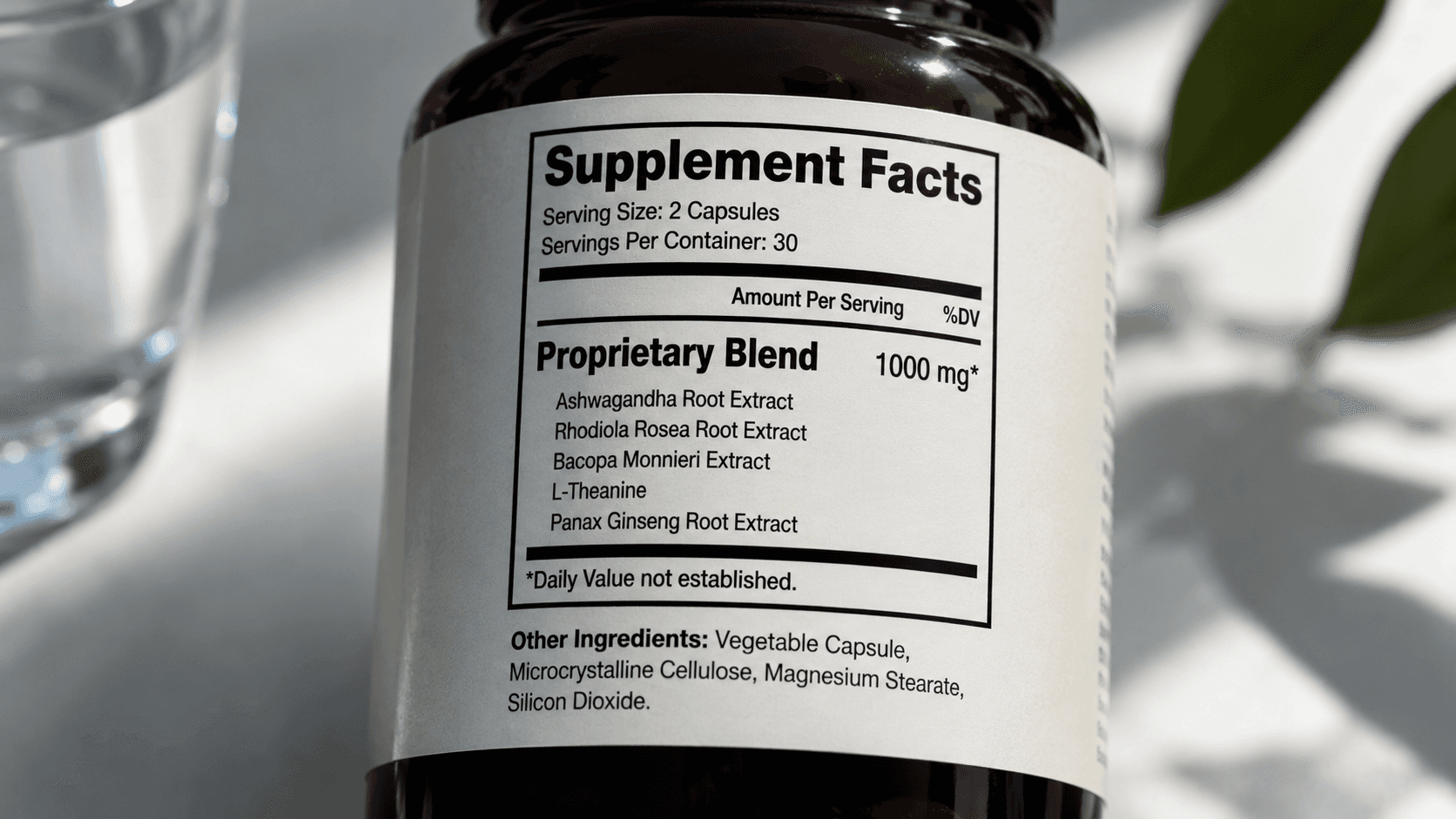
Any product containing undisclosed or proprietary blend ingredients should be treated with extreme caution. Proprietary blends allow manufacturers to list ingredients without disclosing their individual doses. This means you have no idea how much of each ingredient you are consuming, making it impossible to assess either efficacy or safety. If a company will not tell you exactly what is in their product, do not put it in your body.
Products containing DNP (2,4-dinitrophenol) have caused multiple deaths. DNP is an industrial chemical that increases metabolic rate by uncoupling oxidative phosphorylation in mitochondria. It is not approved for human consumption in any country. There is no safe dose. It has a narrow margin between an effective dose and a lethal dose, and deaths from DNP continue to be reported (12). If anyone offers you DNP for fat loss, walk away immediately.
Thyroid hormone supplements (T3, T4) taken without medical supervision for fat loss purposes are dangerous and counterproductive. They can suppress your own thyroid function, cause heart arrhythmias, promote muscle wasting, and leave you with a lower metabolic rate than you started with once you stop taking them.
What to Spend Your Supplement Budget on Instead
If you have money allocated for supplements, here is where I recommend investing it, in order of priority. These are not fat burners. They are foundational health and performance supplements that support the process of fat loss indirectly by keeping you healthy, recovering well, and performing at your best during a deficit.
Protein powder (whey, casein, soy, or pea depending on dietary preference) tops the list because it directly supports the most important macronutrient for body composition during a deficit. After that, creatine monohydrate at 3 to 5 grams per day supports training performance and may help preserve lean mass during a deficit (13). Vitamin D is worth supplementing if you live in the UK or other northern latitudes where deficiency is common, particularly during winter months. Omega-3 fatty acids from fish oil or algae oil (for vegans) support cardiovascular health, reduce inflammation, and may modestly improve insulin sensitivity. And a basic multivitamin can serve as insurance against micronutrient gaps that become more likely when food intake is reduced during a deficit.
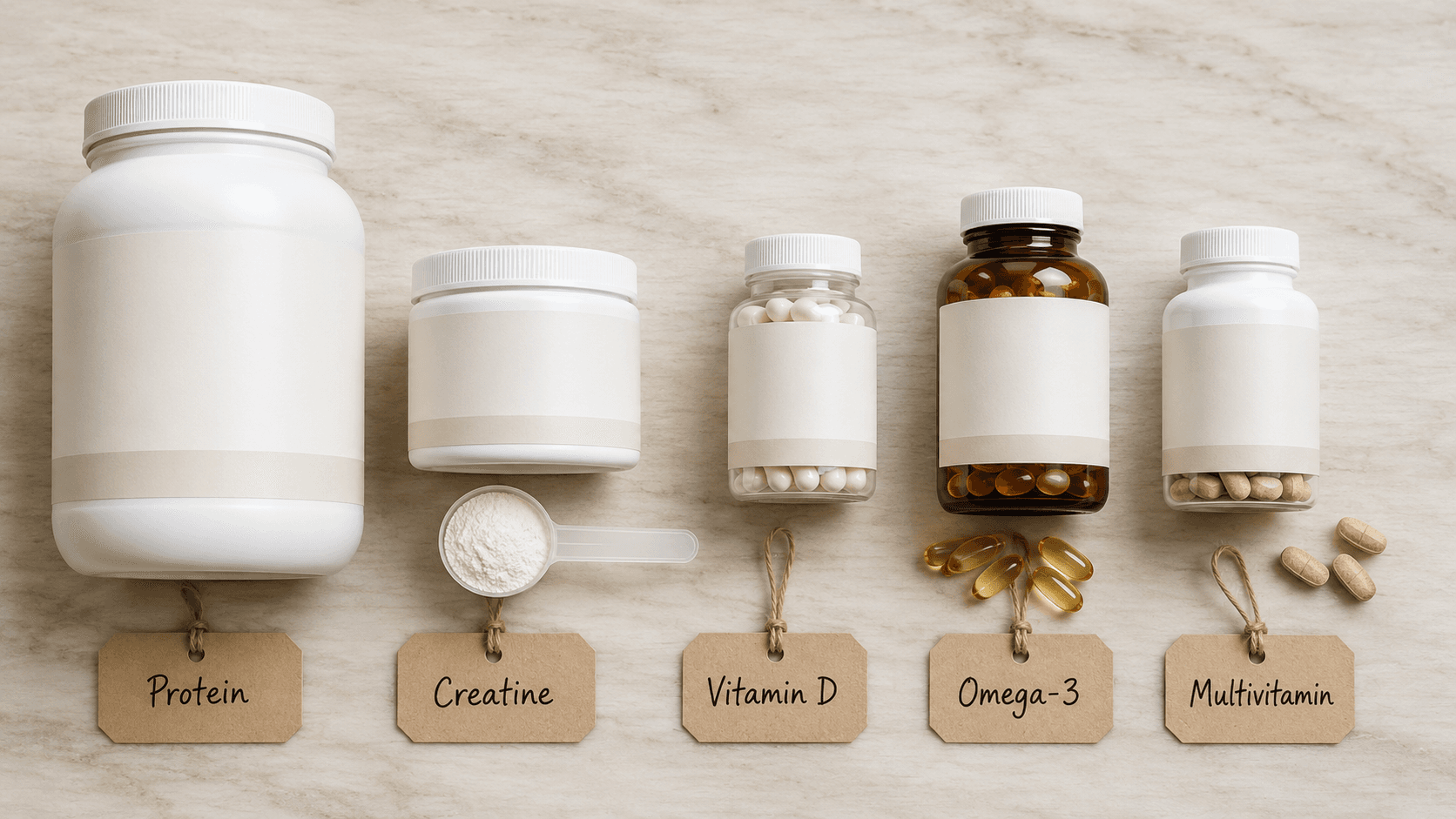
None of these will directly burn fat. All of them will support the health, recovery, and performance that make a fat loss phase sustainable and effective.
Top Tips: Navigating Fat Loss Supplements
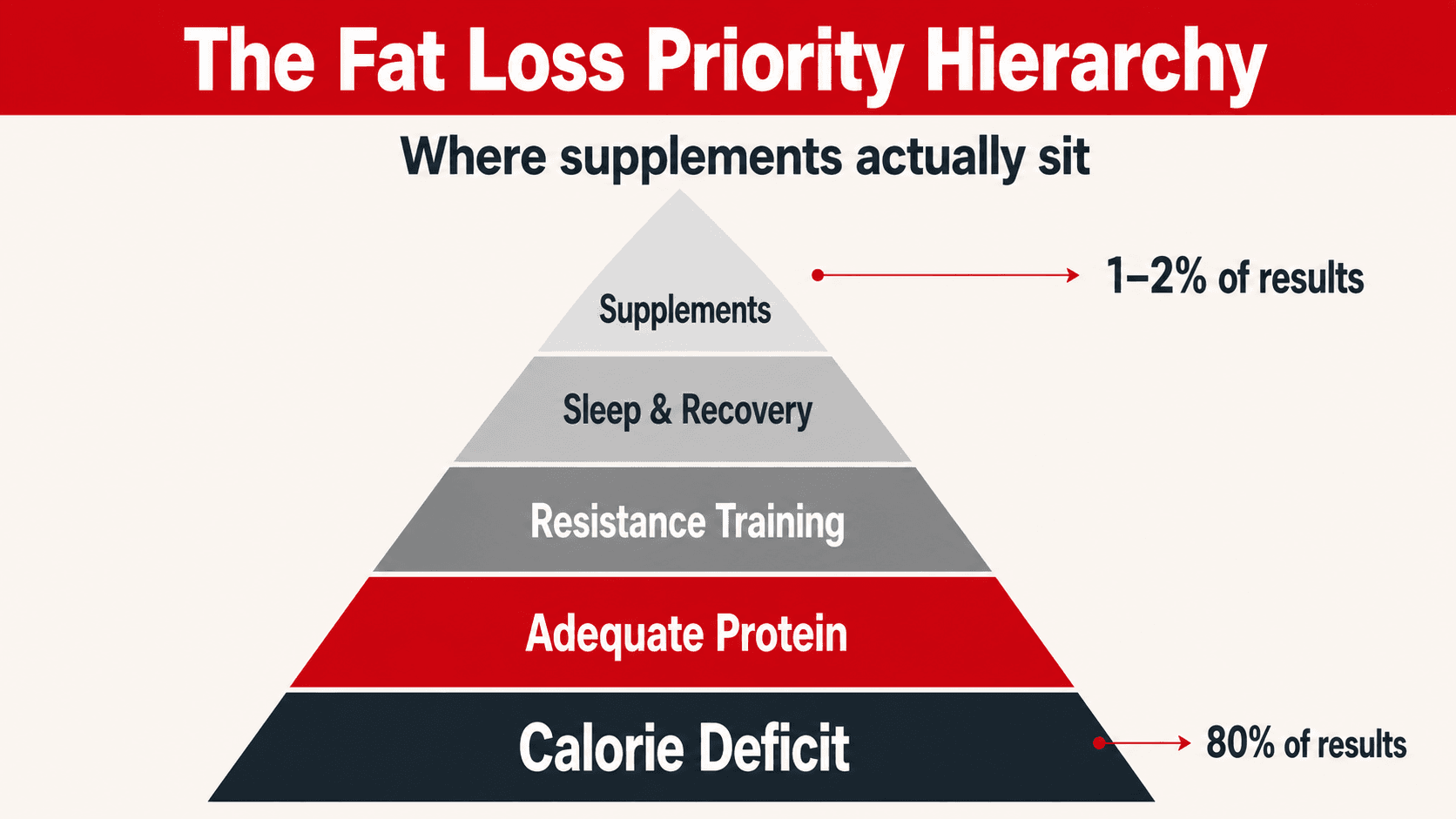
- No supplement will compensate for a poor diet, inadequate protein, insufficient training, or inconsistent adherence. If you are not in a consistent calorie deficit with protein at 1.8 to 2.2 grams per kilogram, spending money on supplements is pointless. Fix the fundamentals first. Supplements are the last 1 to 2 percent, not the first 80 percent.
- Caffeine is the only fat loss supplement with consistent, meaningful evidence behind it. And you can get it from a cup of coffee for pennies rather than a proprietary fat burner blend for pounds. Two to four cups of coffee per day, or 200 to 400 milligrams of caffeine from tablets, is all you need.
- Protein powder is the most useful supplement for any fat loss phase, even though it is not marketed as a fat burner. It helps you hit the macronutrient target that matters most for body composition. Whey for omnivores and vegetarians. Soy or pea protein for vegans.
- If a supplement sounds too good to be true, it is. No capsule, powder, or extract will produce the results that a calorie deficit and structured training produce. If a product promises rapid, effortless fat loss, it is either lying or dangerous. Often both.
- Avoid proprietary blends, undisclosed ingredients, and any product that does not clearly list every ingredient and its dose. Transparency is non-negotiable. If a company hides behind a proprietary blend, they are hiding something you need to know.
- Never use DNP, unprescribed thyroid hormones, or any substance not approved for human consumption. These are not supplements. They are dangerous chemicals that can cause serious harm including organ failure and death. No amount of fat loss is worth that risk.
- Invest your supplement budget in protein, creatine, vitamin D, and omega-3s before spending a penny on fat burners. These foundational supplements support the health, recovery, and performance that make your fat loss phase sustainable. They are boring. They are also the ones that actually matter.
The Bottom Line
The fat loss supplement industry sells hope in a capsule. And I understand the appeal. When you are tired, hungry, and frustrated with the pace of your progress, the promise of a pill that accelerates your results is deeply attractive. But the research is clear. The overwhelming majority of fat loss supplements produce either no meaningful effect or effects so trivially small that they are invisible in the real world. The very few that do have evidence behind them, primarily caffeine, produce modest effects that only become relevant when the fundamentals of nutrition and training are already in place.
Save your money. Spend it on quality food, a good protein powder, and if you can, professional coaching that holds you accountable to the process that actually works: a sustained calorie deficit, adequate protein, resistance training, daily movement, and consistency over time.
If you want a structured, evidence-based fat loss programme built around the things that actually produce results rather than the things that are marketed most aggressively, get in touch through trperformancecoaching.com. I work one-to-one with clients online globally. Whether you eat meat, are vegetarian, vegan, or plant-based, whether you are managing diabetes, PCOS, hypertension, or simply want to transform your body, I will build a plan that works. No gimmicks. No miracle pills. Just the fundamentals, applied with precision and accountability.
Work with Me
Get a personalised coaching plan built around your goals, your schedule, and your life.
Enquire NowReferences
- Wharton S, Bonder R, Jeffery A, Christensen RAG. The safety and effectiveness of commonly-marketed natural supplements for weight loss in populations with obesity: a critical review of the literature from 2006 to 2016. Critical Reviews in Food Science and Nutrition. 2020; 60(10): 1614-1630.
- Astrup A, Toubro S, Cannon S, Hein P, Breum L, Madsen J. Caffeine: a double-blind, placebo-controlled study of its thermogenic, metabolic, and cardiovascular effects in healthy volunteers. American Journal of Clinical Nutrition. 1990; 51(5): 759-767.
- Hursel R, Viechtbauer W, Westerterp-Plantenga MS. The effects of green tea on weight loss and weight maintenance: a meta-analysis. International Journal of Obesity. 2009; 33(9): 956-961.
- Whigham LD, Watras AC, Schoeller DA. Efficacy of conjugated linoleic acid for reducing fat mass: a meta-analysis in humans. American Journal of Clinical Nutrition. 2007; 85(5): 1203-1211.
- Pooyandjoo M, Nouhi M, Shab-Bidar S, Djafarian K, Olyaeemanesh A. The effect of (L-)carnitine on weight loss in adults: a systematic review and meta-analysis of randomized controlled trials. Obesity Reviews. 2016; 17(10): 970-976.
- Onakpoya I, Hung SK, Perry R, Wider B, Ernst E. The use of garcinia extract (hydroxycitric acid) as a weight loss supplement: a systematic review and meta-analysis of randomised clinical trials. Journal of Obesity. 2011; 2011: 509038.
- Park KS. Raspberry ketone increases both lipolysis and fatty acid oxidation in 3T3-L1 adipocytes. Planta Medica. 2010; 76(15): 1654-1658.
- Kondo T, Kishi M, Fushimi T, Ugajin S, Kaga T. Vinegar intake reduces body weight, body fat mass, and serum triglyceride levels in obese Japanese subjects. Bioscience, Biotechnology, and Biochemistry. 2009; 73(8): 1837-1843.
- Tian H, Guo X, Wang X, et al. Chromium picolinate supplementation for overweight or obese adults. Cochrane Database of Systematic Reviews. 2013; (11): CD010063.
- Morton RW, Murphy KT, McKellar SR, et al. A systematic review, meta-analysis and meta-regression of the effect of protein supplementation on resistance training-induced gains in muscle mass and strength in healthy adults. British Journal of Sports Medicine. 2018; 52(6): 376-384.
- Trexler ET, Smith-Ryan AE, Norton LE. Metabolic adaptation to weight loss: implications for the athlete. Journal of the International Society of Sports Nutrition. 2014; 11(1): 7.
- Grundlingh J, Dargan PI, El-Zanfaly M, Wood DM. 2,4-Dinitrophenol (DNP): a weight loss agent with significant acute toxicity and risk of death. Journal of Medical Toxicology. 2011; 7(3): 205-212.
- Kreider RB, Kalman DS, Antonio J, et al. International Society of Sports Nutrition position stand: safety and efficacy of creatine supplementation in exercise, sport, and medicine. Journal of the International Society of Sports Nutrition. 2017; 14: 18.